Coal Grinding Mill · Pulverized Coal Preparation

Coal Grinding Mill for Pulverized Coal Preparation — CRGM80 · CRGM100 · CRGM125

A coal grinding mill turns raw coal into pulverized fuel that burns completely inside the residence time your kiln, boiler or blast furnace actually provides. This page is the engineering guide behind that number: how coal grinds, which fineness each industry needs, how to choose between a Raymond mill, a ball mill and an ultrafine ring-roller coal mill — and the Cronus CRGM coal grinding mill series built for the job since 1973.

150–3000 mesh adjustable 0.5–20 t/h per unit Feed ≤ 20 mm D97 precision classification Explosion-proof design
200 mesh74 µm pulverized coal
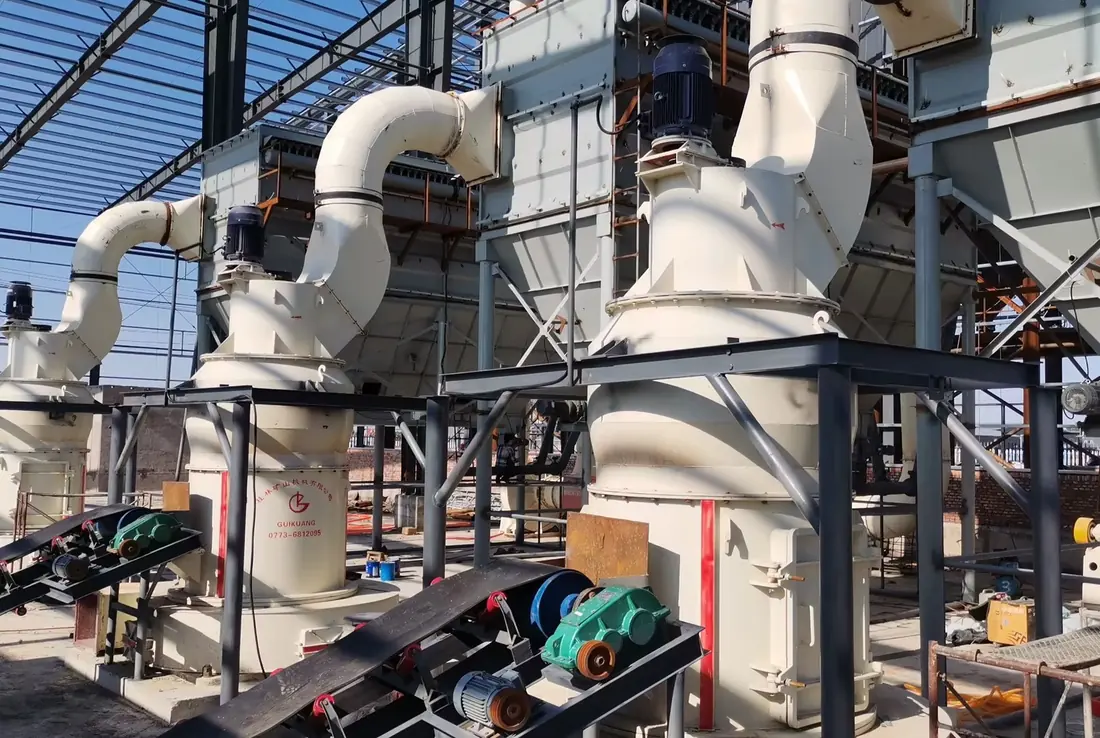
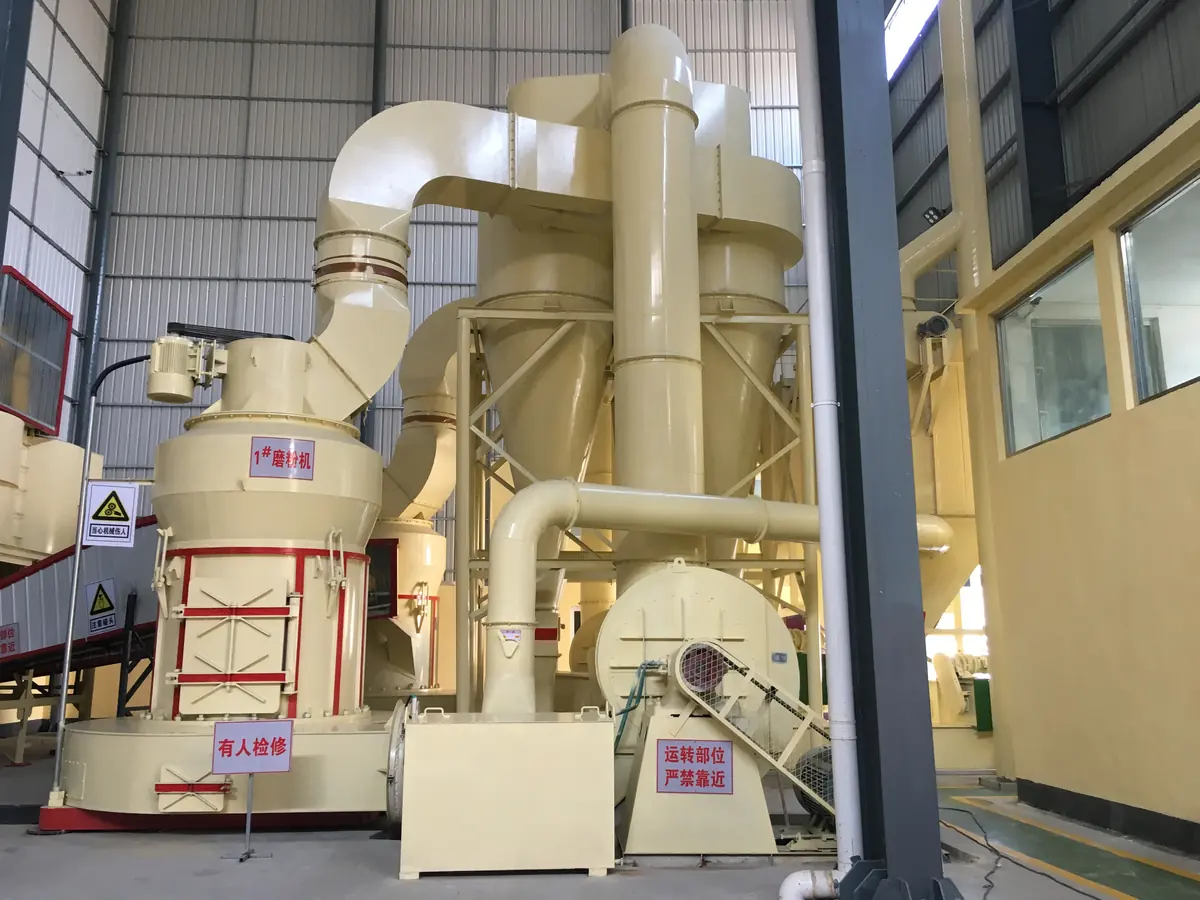
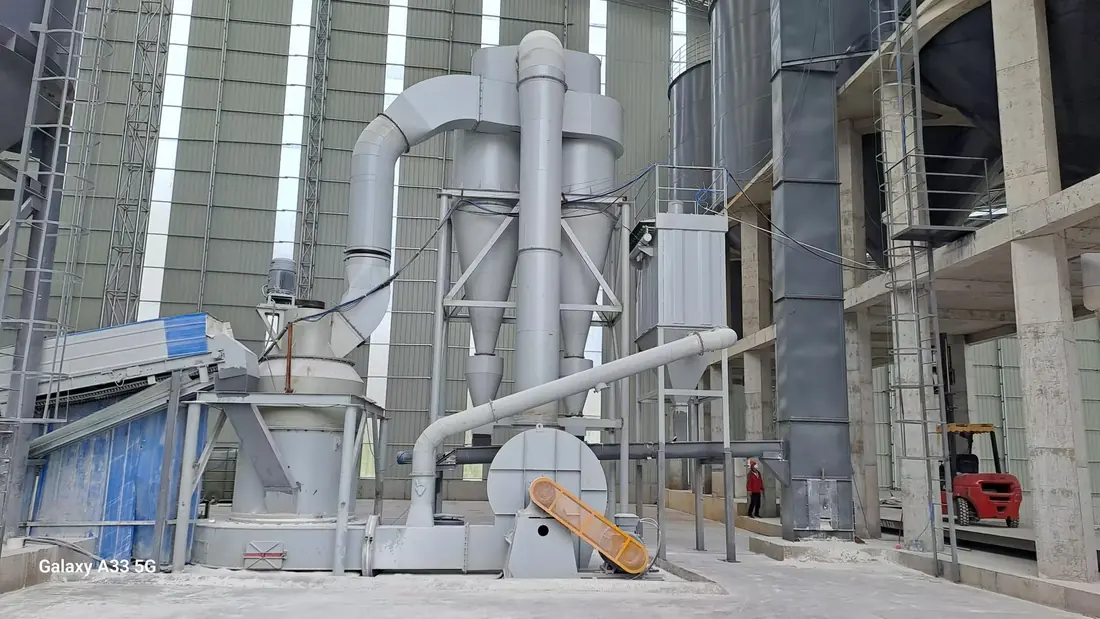
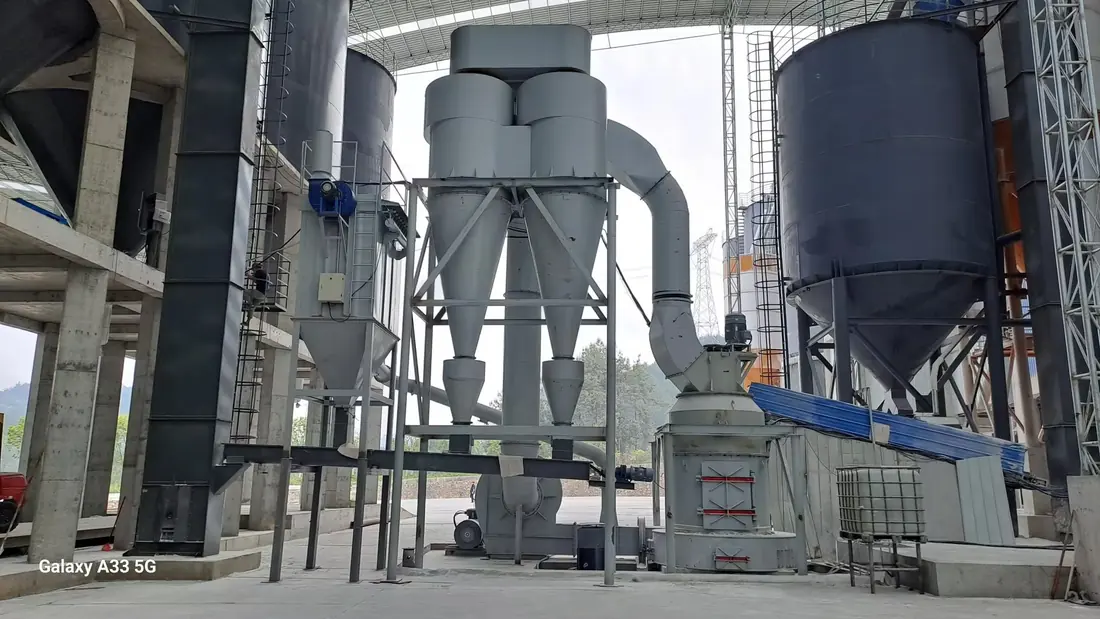
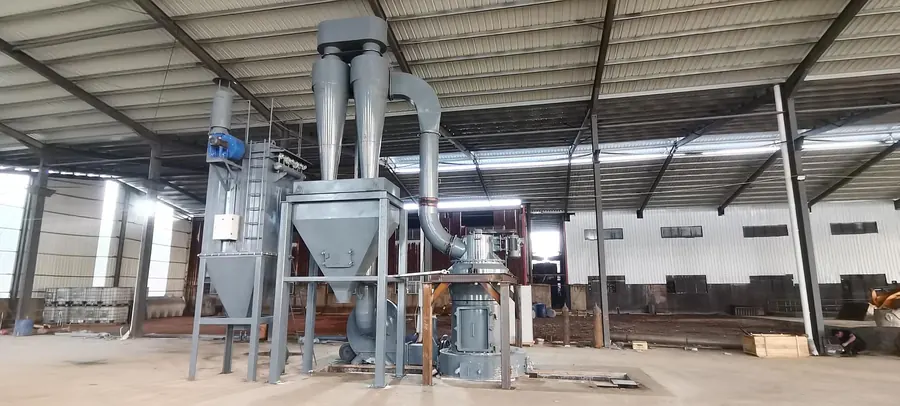
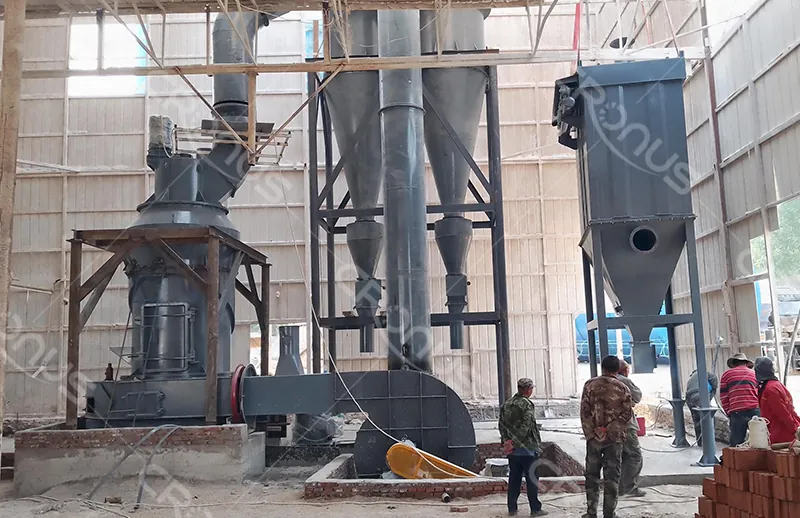
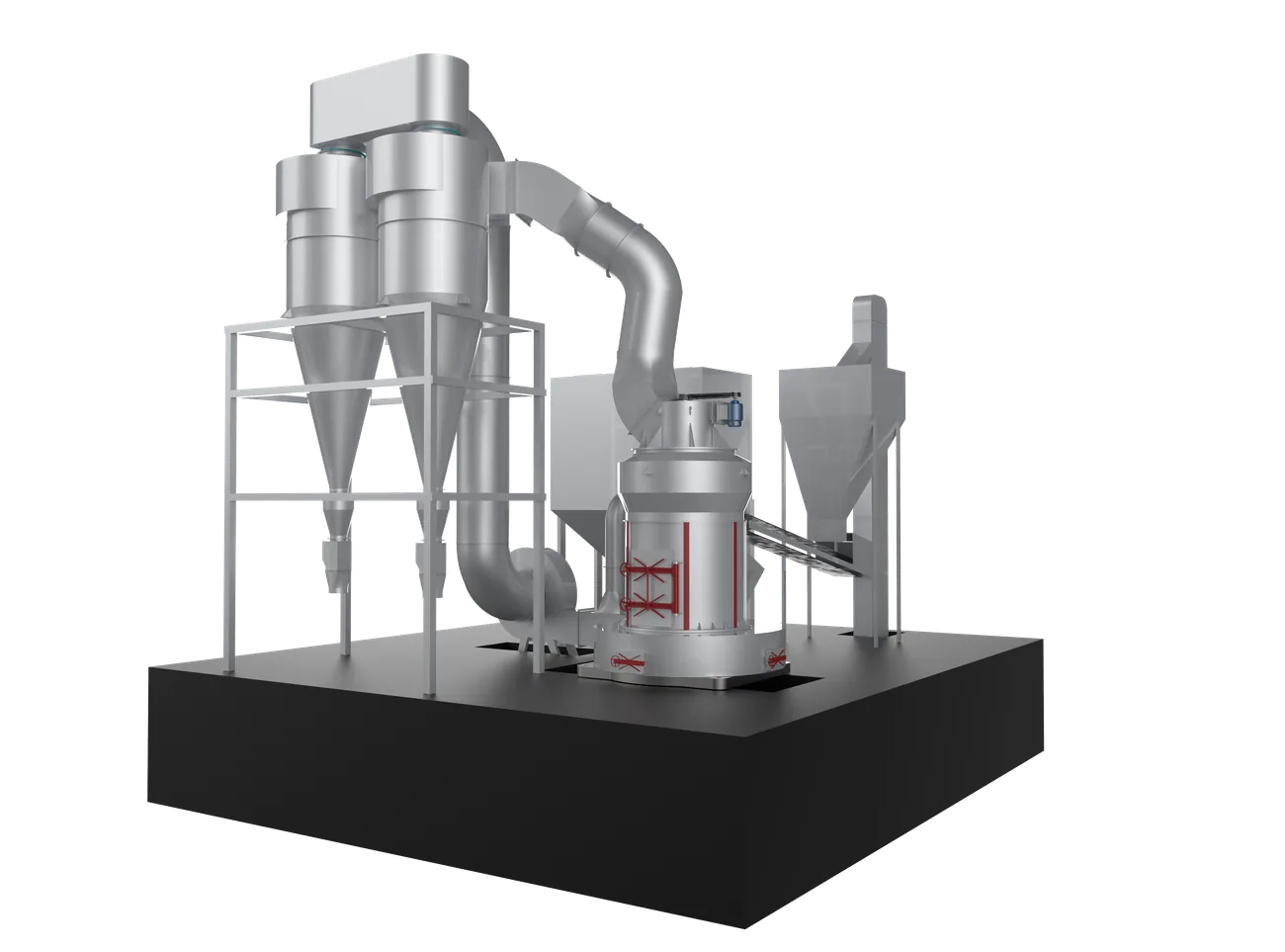
CRGM series coal grinding mill complete system: main unit, turbine classifier, cyclone collector and pulse bag filter — Cronus coal pulverizer
99.9%powder recovery — closed circuit
50+Years building grinding mills
55+Patented technologies
8000+Grinding units delivered
1973Founded — Guilin, China
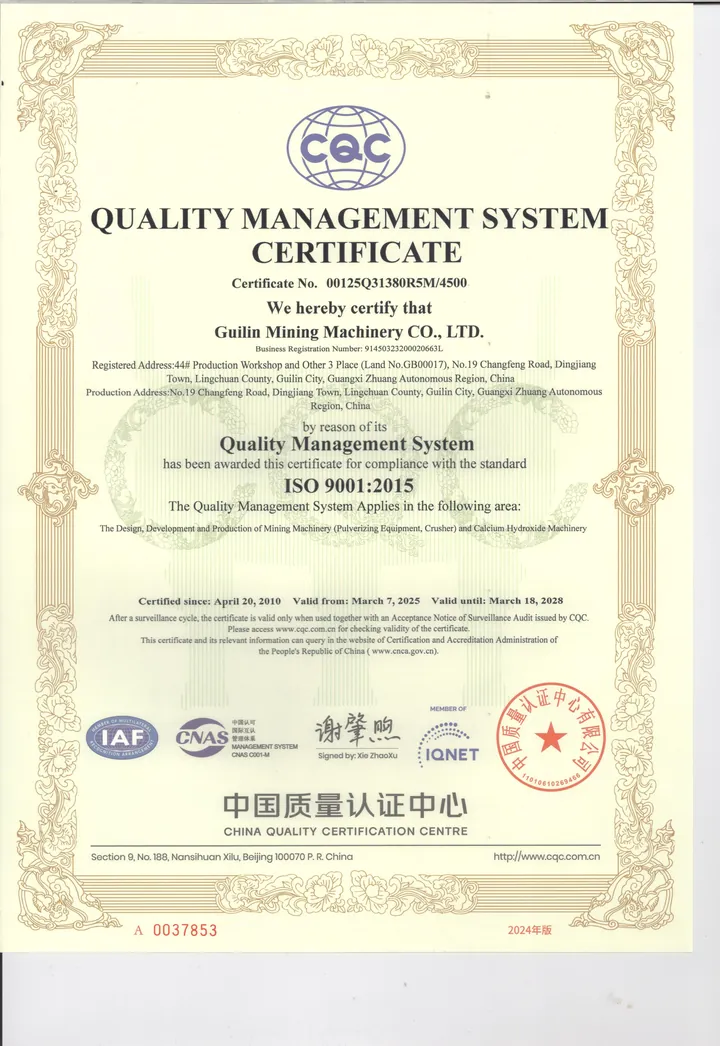
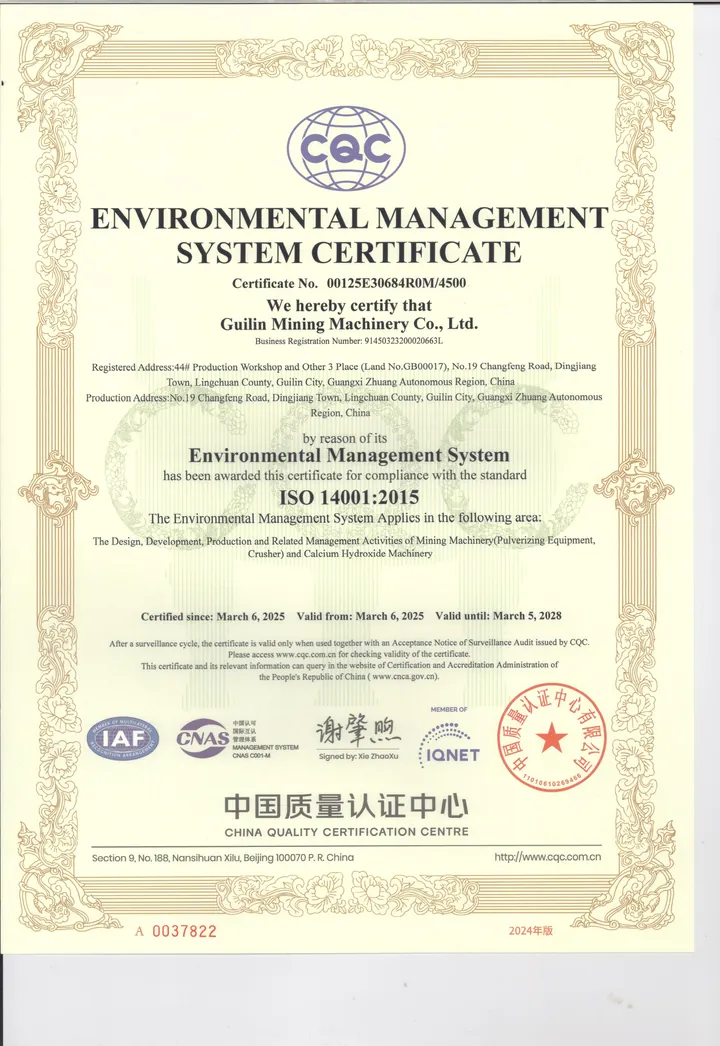
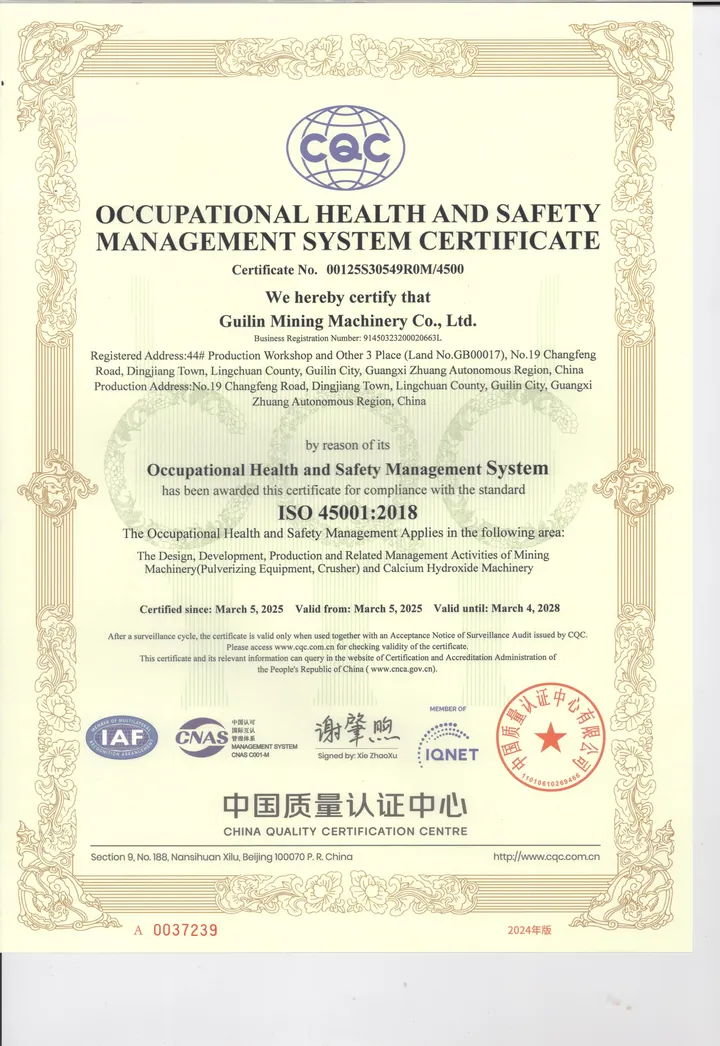
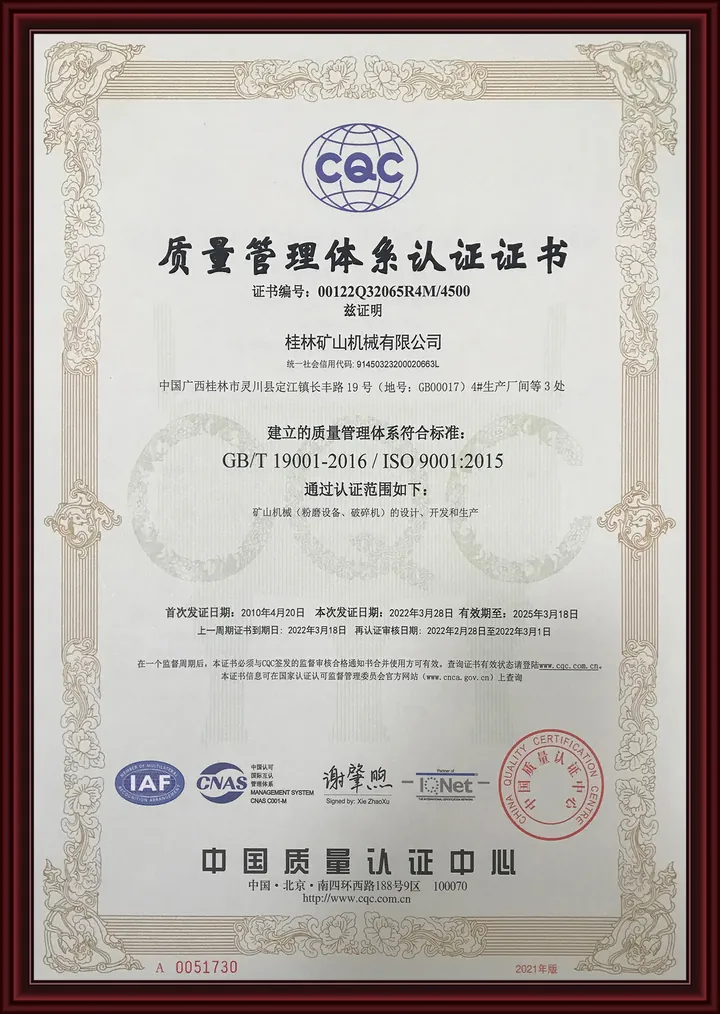
Subsidiary of Guilin Mining Machinery (est. 1973) National High-Tech Enterprise ISO 9001 · ISO 14001 · ISO 45001 CE certified grinding mill Own foundry & machining workshops
Coal powder fundamentals

Why coal is ground, and what fineness your process really needs

Pulverized coal from a coal grinding mill is not a commodity with one specification. Every industry that burns or consumes coal picks a particle size distribution to satisfy a single engineering constraint: the particle must finish burning — or finish reacting — inside the time and space the furnace can give it. Get that number right and the coal grinding mill becomes the cheapest unit in the plant. Get it wrong and you pay twice: once for grinding energy, and again for unburnt carbon.

In short: a coal grinding mill — also called a coal mill, coal pulverizer or coal powder making machine — reduces raw coal to pulverized coal. The industry-standard fineness is 180–200 mesh (80–74 µm), expressed as “70–80% passing 200 mesh” for blast-furnace pulverized coal injection, or “80–85% passing 200 mesh” for precalciner cement kilns. Coarse fuels for fluidised-bed boilers need only 40–150 mesh; high-efficiency PCI, supercritical boilers, gasification and coal-water slurry need 250–1250 mesh (58–10 µm). Finer powder burns faster and more completely but costs more energy to grind, so the correct target is a compromise — usually controlled as D97 (97% of particles finer than the stated size) or as residue R90 / R75.

Surface area drives combustion

Coal burns particle by particle at its exposed surface. Cut the diameter of a coal particle to one tenth and the same mass exposes roughly ten times the surface to oxygen. Heating rate, ignition delay and char burnout rate all improve — which is the entire physical reason a coal grinding mill exists.
Particle size distribution, not just “fine”

Two powders can share the same sieve residue and burn completely differently. A narrow, bell-shaped curve gives a stable flame; a “coarse tail” produces unburnt carbon and slagging while an excess of ultrafines wastes grinding energy and raises explosion risk. The classifier is what controls the shape of that curve.

Moisture is a grinding problem

Above roughly 6% total moisture, coal turns sticky: it coats the grinding chamber, blinds the classifier and bridges in silos. Every coal grinding mill system therefore needs a drying function. On modern mills the drying happens in the grinding zone itself, using hot gas at 200–320 °C.

HGI decides how much mill you buy

The Hardgrove Grindability Index ranks how easily a coal grinds. A coal with HGI 45 may need 25–30% more installed power and a larger coal grinding mill than one with HGI 65 at the same output and fineness. Size the mill for the hardest coal you will ever burn.

Coal grinding mill fineness guide — what each size of coal powder is used for, and why

Mesh values follow the US sieve series; particle size is given as an approximate D97 cut point. Values are engineering guidance for coal grinding mill selection, not a substitute for a combustion test on your own coal.

Coal grinding mill fineness selection table — application and engineering rationale
Fineness (mesh) Particle size (D97) Typical application Why this fineness is chosen
40–80 mesh 425–180 µm Bubbling fluidised-bed boilers, gasifier feed, briquette and pellet plants, brick & tile kiln fuel A fluidised bed needs particles heavy enough to remain suspended and be carried by the bed air. Grinding finer buys no combustion benefit and increases elutriation losses, so energy is deliberately saved in the coal grinding mill.
100–150 mesh 150–106 µm Chain-grate and stoker boilers, rotary dryer and kiln fuel in small plants Residence time on a grate is long — seconds to minutes — so coarse particles still burn out. This is the cheapest useful specification for a coal grinding mill.
180–200 mesh80–74 µm Cement rotary kilns & precalciners, lime kilns, pulverised-coal industrial boilers, blast-furnace PCI (70–80% passing 200 mesh) The classic pulverised-fuel specification. Surface area is high enough that combustion finishes inside the 1–3 s furnace residence time, yet the powder still flows, fluidises and conveys reliably in pneumatic lines. It is the best balance between burnout and grinding cost for a coal grinding mill.
250–325 mesh 58–45 µm High-injection-rate PCI, supercritical and ultra-supercritical boilers, coal-water slurry, entrained-flow gasification feed Ignition starts earlier and burnout approaches completion, cutting unburnt carbon in fly ash and allowing lower excess air — which in turn lowers thermal NOx. Requires a classifier-equipped coal grinding mill, not a coarse mill.
400–625 mesh 38–20 µm Ultra-supercritical boilers, gasifier feedstock, high-concentration coal-water slurry The reaction becomes almost gas-phase: conversion is faster and slagging is easier to control. Fine classification accuracy matters more than raw capacity in the coal grinding mill.
800–1250 mesh 18–10 µm Coal-water slurry density boost, semi-reinforcing filler for rubber and plastics, activated-carbon precursor, foundry carbon additive, specialty fuels This is where particle-packing theory applies: blending ultrafine coal into a slurry fills the voids between coarse particles and lifts solids loading from about 60% to 63–70% while improving stability. Only an ultrafine coal grinding mill such as the CRGM series can hold this size economically.

Residue notation you will meet in coal grinding mill tender documents: R90 = 5% means only 5% of the powder is coarser than 90 µm; R75 = 2% means 98% is finer than 75 µm. Cronus quotes coal grinding mill performance in the notation your specification uses.


Raw coal properties that size the coal grinding mill

Hardgrove Grindability Index (HGI) and its effect on mill selection
HGICoal typeEffect on the coal grinding mill
80–110Soft sub-bituminous, ligniteVery easy to grind; capacity is limited by drying, not by grinding power.
60–80Typical bituminousStandard design point. Catalogue capacities apply as published.
50–60Harder sub-bituminousDe-rate capacity by roughly 10–15%; increase classifier and blower duty slightly.
40–50Anthracite, hard coking coalDe-rate 25–30%; higher roller pressure and shorter wear-part life.
< 40Very hard / high-ash coalChoose the next larger model, or a ball mill if the target is 200 mesh or coarser.

Moisture, volatile matter and the safety duty of a coal grinding mill

Feed moisture and the drying duty of the coal grinding mill
Total moistureBehaviourRequirement on a coal grinding mill
< 6%Free-flowing, stable grinding layerHot gas at 180–250 °C is enough to finish drying the powder.
6–12%Sticky feed, classifier blinding riskHot gas at 250–320 °C, drying inside the grinding zone, insulated and heat-traced ducts.
12–20%Severe bridging in silos, clogging in roller millsPre-drying before grinding, or a mill with an integral drying chamber.
> 20%Lignite / brown coalA dedicated lignite circuit, higher gas temperature, larger bag filter and inerting.

Safety first — volatile matter defines the explosion duty. Coal dust is a recognised explosion hazard, and volatile matter content, not ash or hardness, decides how dangerous your powder is. High-volatile bituminous coal (> 30% VM) needs full inerting, explosion venting, CO and O₂ monitoring and spark detection on the feed line. Anthracite (< 10% VM) is far less reactive but much harder to ignite — which is why it usually has to be ground finer. Every Cronus coal grinding mill system is specified against the highest volatile content you may ever burn.

Coal grinding process

From run-of-mine coal to pulverized fuel: the six stages of a coal grinding system

A coal grinding mill is never bought on its own. It sits at the centre of a circuit that has to crush, dry, convey, grind, classify and store coal without ever letting dust escape or temperature run away. Understanding the whole chain is what separates a coal grinding mill that holds its rated output for ten years from one that is always being rebuilt.

3D animation — how a Cronus coal grinding mill circuit works, from pre-crushing to classified pulverized coal.
01

Raw coal receiving and pre-crushing

Run-of-mine coal arrives at 0–300 mm and is reduced in two stages: a jaw crusher for the coarse reduction, then a hammer crusher or double-roller crusher to bring the product below 20 mm. A vibrating screen closes the loop, and a suspended magnet plus a metal detector protect everything downstream.

Why it matters: every coal grinding mill has a maximum feed size. Feed it oversize and the grinding layer collapses, output drops and the rollers take impact loads they were never designed for. Pre-crushing is the cheapest reliability upgrade in the plant.

02

Storage, weighing and proportional feeding

Crushed coal is lifted by bucket elevator into a covered silo, then drawn off by a variable-frequency vibrating feeder or weigh-belt feeder that reports the instantaneous feed rate back to the PLC.

Why it matters: a coal grinding mill produces a stable particle size distribution only when it is fed at a stable rate. Surging feed throws the grinding layer out of balance, and the finished powder swings between too coarse and over-ground — the single most common cause of “the mill used to make 200 mesh and now it doesn't”.

03

Drying inside the grinding circuit

Hot gas at 200–320 °C is drawn through the mill, evaporating surface moisture while the coal is being ground. The heat source is usually kiln or furnace exhaust, or a dedicated hot gas generator. A cyclone pre-separator knocks out the coarse dust before the gas enters the mill.

Why it matters: moisture above 6% makes coal sticky — it coats the grinding chamber, bridges in silos and blinds the classifier. Drying and grinding in one machine removes a whole piece of equipment, and it also keeps the mill outlet temperature inside the safe window below about 85 °C.

04

Grinding — bed compression between roller and ring

Coal is crushed in a bed that is squeezed repeatedly between the grinding rollers and the grinding ring. In the CRGM series, rollers mounted on a plum-blossom frame revolve with the central shaft and self-rotate; centrifugal force presses them outward against a fixed ring, and the material passes through three or four roller–ring gaps before it is fine enough to be lifted by the airflow.

Why it matters: bed compression needs far less energy than the impact and attrition of tumbling steel balls. That single difference is where most of the 30–50% energy saving of a ring-roller coal grinding mill comes from.

05

Classification — the fineness control point

The rising air stream carries powder into the turbine classifier at the top of the mill. The classifying wheel spins at 3,000–6,000 rpm and throws coarse particles back to the periphery, where they fall into the grinding chamber for another pass. Only particles finer than the cut point continue to collection.

Why it matters: fineness is set here, by classifier speed — not by changing screens. That is what lets one coal grinding mill cover 150–3000 mesh (74–5 µm) with no parts change, and why D97 repeatability is the real quality metric.

06

Collection, conveying and safe storage

Finished powder leaves the classifier into a diffusion double cyclone and is discharged through a rotary valve. The residual dust in the air stream is captured by a pulse-jet bag filter, and the cleaned air is released through a fan and muffler. A screw conveyor moves the finished powder to packing or to a pulverized-coal silo designed for mass flow.

Why it matters: the whole circuit runs under negative pressure, so dust cannot escape at any flange. Powder recovery reaches 99.9% and stack emission stays below 20 mg/Nm³ — a finished-product saving as much as an environmental rule.

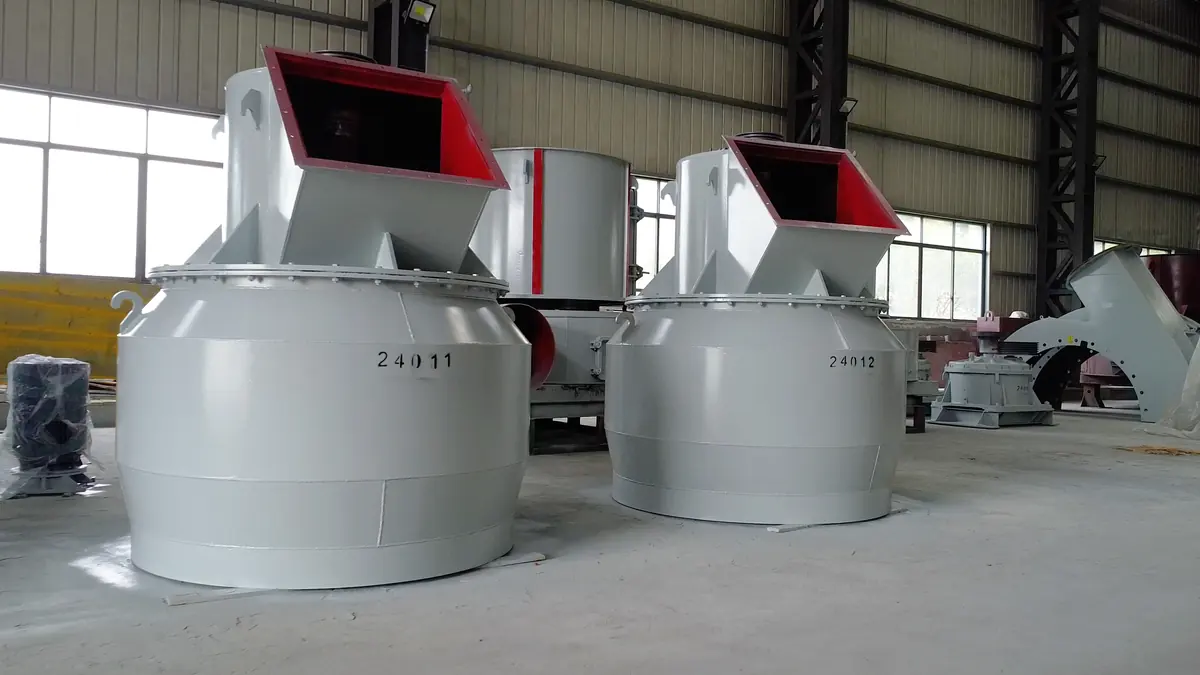
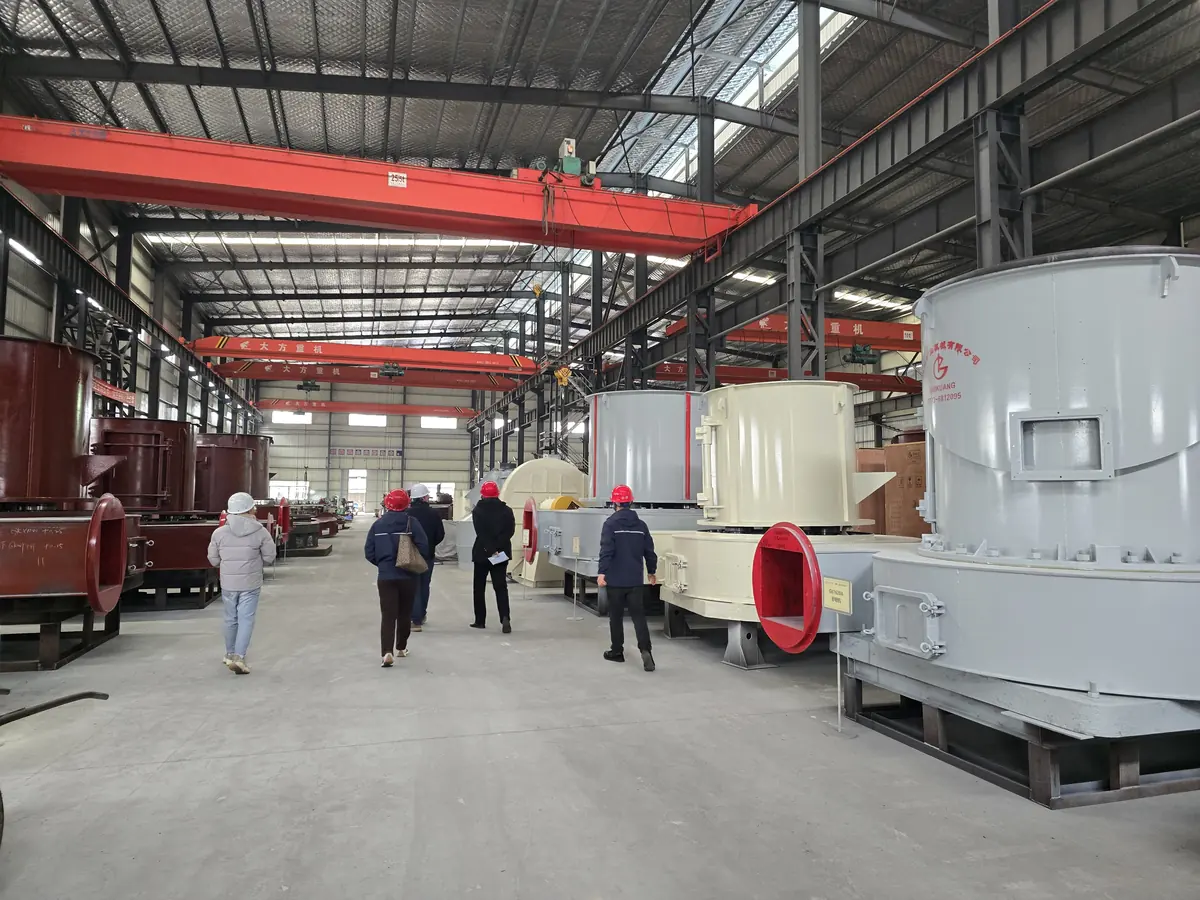
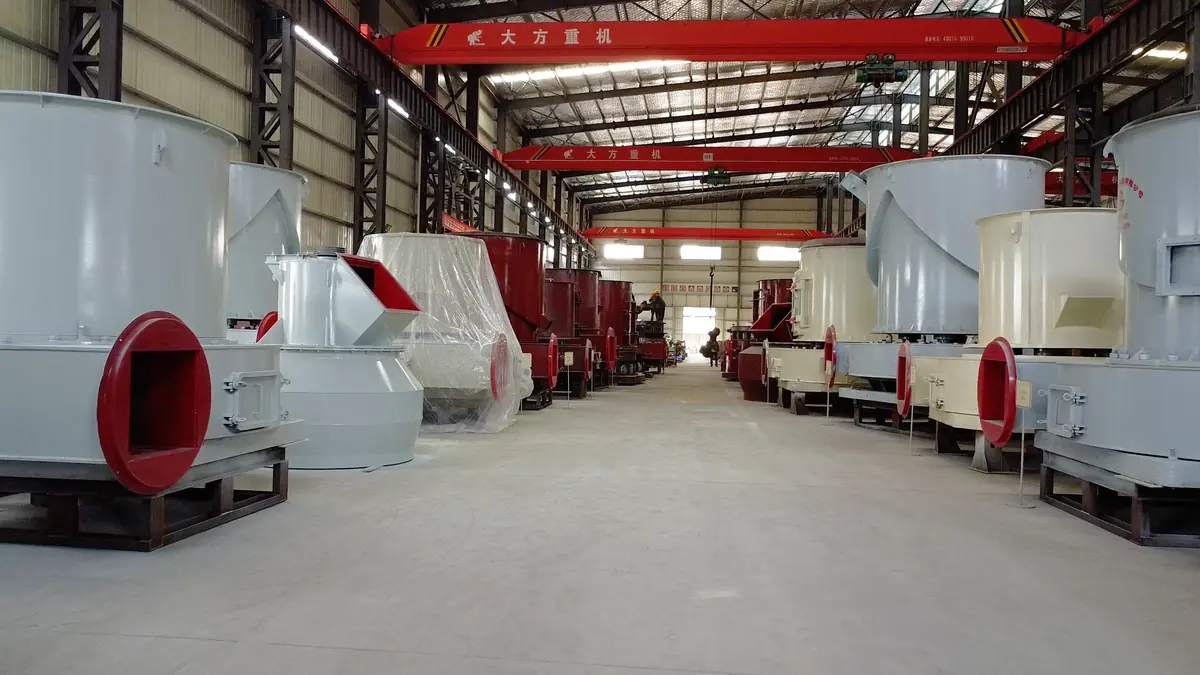
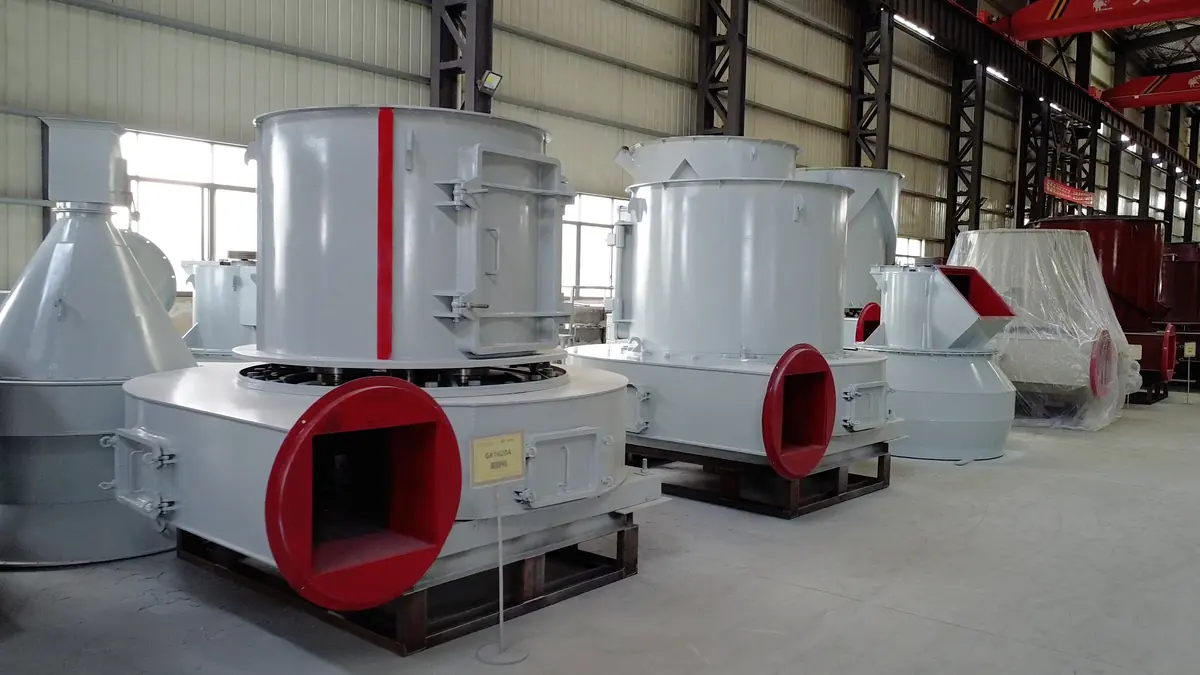
Cronus coal grinding mill main unit fabricated and assembled in the workshop before delivery
Main unit assembly in the Cronus workshop — grinding ring, plum-blossom frame and classifier fitted before dispatch.

Direct firing vs. bin (indirect) system

Direct-fired — the coal grinding mill discharges straight into the burner. The plant carries no pulverized-coal inventory, so fire and explosion risk is lowest, drying gas comes free from the kiln or furnace, and there is nothing to inert. Standard for cement kilns and many power boilers.

Bin system (indirect) — powder is separated, stored in a silo and metered to several burners. It gives steady feed independent of mill condition and allows finer grinding, but the silo becomes the highest-risk point in the plant and needs temperature and CO monitoring with nitrogen inerting.

Control and safety envelope of the coal grinding mill

  • Explosion-proof motors and electrical components throughout
  • Online CO and O₂ analysis on mill outlet and silo
  • Inerting interface (nitrogen or steam) with automatic valve actuation
  • Explosion vents sized on the highest volatile content you may burn
  • Spark detection and metal removal on the feed line
  • Mill outlet temperature automatically held below 85 °C
  • PLC interlock: temperature, vibration, airflow and differential pressure
Equipment & selection

Coal crushing and grinding equipment — and how to choose the right coal grinding mill

Four machine families dominate pulverized coal preparation, and they are not interchangeable: each coal grinding mill type has a fineness ceiling, a moisture limit and a specific-energy curve. Choose on fineness first, then coal properties, then capacity — in that order, the decision usually makes itself.

Crushing equipment — raising coal to the coal grinding mill's feed specification

01

Jaw crusher

Primary reduction from 300 mm down to 40–80 mm. Compression crushing tolerates hard, blocky run-of-mine coal, and a simple toggle mechanism means almost no planned downtime. Oversize feed simply stalls it rather than destroying it.

02

Hammer crusher

Secondary reduction from 80 mm to below 20 mm at high reduction ratio. Excellent for bituminous coal and coal gangue; hammers wear on high-ash coal, so hard-facing or high-chromium hammers are specified for abrasive duties.

03

Double-roller crusher

The lowest-fines option. Product size is set by the roll gap, so you get a narrow, controlled output with very little over-crushing — useful when the coal grinding mill needs a predictable feed curve rather than raw throughput.

04

Screen, magnet & metal detector

Small equipment with an outsized effect on availability. A vibrating screen closes the crushing loop while the magnet and metal detector keep tramp iron out of the grinding zone — the most common cause of catastrophic roller damage.

Grinding equipment — the fineness each coal grinding mill family can actually hold

The chart below places the working fineness range of each coal grinding mill type on a common logarithmic mesh scale. The useful conclusion is simple: if your specification stops at 200 mesh, several machines can do the job and you should choose on energy and moisture tolerance. If it starts above 325 mesh, only a classifier-equipped ultrafine coal grinding mill remains economical.

Hammer / fan mill8–60 mesh
8–60 mesh
Ball mill (tube mill)40–200 mesh
40–200 mesh
Vertical roller mill30–325 mesh
30–325 mesh
Raymond mill80–400 mesh
80–400 mesh
CRGM ring-roller mill150–3000 mesh
150–3000 mesh

Bar length is indicative of relative working range on a log scale, not of capacity or price.

Raymond mill 80–400 mesh

Pendulum rollers press coal against a ring while a fan sweeps the powder out. Lowest capital cost, simple maintenance and easy adjustment make it the default for 200 mesh duties up to about 25 t/h. It dislikes moisture above roughly 8%, has a practical fineness ceiling near 400 mesh, and its single-layer roller–ring gap wears faster than a multi-layer design on abrasive coal.

Ball mill (tube / air-swept) 40–200 mesh

The most tolerant machine ever built for coal. Tumbling steel balls cope with HGI below 45, ash above 30% and moisture above 15% — the internal drying chamber finishes the job. In exchange it needs 25–40 kWh per tonne, has the largest footprint, responds slowly to load changes, and becomes inefficient below 200 mesh.

Vertical roller mill 30–325 mesh

Bed compression on a rotating table with integrated drying, classification and conveying in one sealed unit. Typically 15–30% less energy than a ball mill with a far smaller footprint, and it dries coal up to about 18% moisture using waste kiln gas, which is why it is the default coal grinding mill for very large tonnage. Higher capital cost, and it is sensitive to tramp metal and very hard coal.

CRGM ring-roller coal grinding mill 150–3000 mesh

An ultrafine coal grinding mill built around a multi-layer roller–ring gap and a variable-frequency turbine classifier. It is the only one of the four that reaches 1250 mesh and beyond economically, keeps D97 tight batch after batch, and lets you move from 200 mesh kiln fuel to 1250 mesh slurry powder by turning one potentiometer.

Which coal grinding mill should you buy? A requirement-driven selection table

Coal grinding mill selection guide by duty — from petroleum coke to lignite
Your dutyRecommended coal grinding millReason
200 mesh, 20–100 t/h, low energy cost priorityVertical roller millIntegrated drying and lowest specific energy at medium fineness; waste kiln gas does the drying for free.
200 mesh, up to 10 t/h, tight budgetRaymond millLowest capital cost and simplest maintenance; ample for a single kiln or boiler.
HGI < 45, ash > 30% or moisture > 15%Ball / air-swept millThe only family tolerant of hard, abrasive and wet coal in the same machine.
Finer than 325 mesh (below 45 µm)CRGM ring-roller mill150–3000 mesh with D97 precision; a Raymond or ball mill cannot hold this fineness economically.
800–1250 mesh for coal-water slurry or fillerCRGM ring-roller millThe only route that stays economic at 10–18 µm on coal.
Frequent product changes, 200 ↔ 1250 meshCRGM ring-roller millFineness is set by classifier VFD speed; no screens, no re-tooling, no shutdown.
Retrofit with minimal floor space and civil workCRGM or vertical roller millCompact vertical layout, low foundation load.
Lignite or brown coal above 20% moistureAir-swept ball mill or dedicated lignite circuitLargest drying capacity; ring-roller and standard VRM designs clog on very wet fuel.
Coarse 40–80 mesh for a fluidised bedHammer mill / coarse grinding millFine classification would be wasted; a coarse mill is cheaper to run.

Every CRGM coal grinding mill can be quoted with the crusher, feeder, hoist, pulse dust collector, blower, PLC cabinet and silo as a complete turnkey line, so you are not integrating components from four suppliers.

Five questions our engineers ask before quoting a coal grinding mill.

  • What fineness — and in which notation: mesh, µm, D50, D97, or residue R90?
  • What capacity: t/h at that fineness, and how many hours per day?
  • What is the coal: HGI, total moisture, ash, volatile matter, maximum feed size?
  • What drying heat source exists on site, and at what temperature?
  • What are the site limits: available footprint and height, power supply, dust and noise limits?
The product

CRGM series coal grinding mill — a ring-roller ultrafine mill built for pulverized coal

The CRGM series is Cronus' ultrafine coal grinding mill, also known as a ring roller mill or micro powder mill. It grinds brittle material with a Mohs hardness up to 7 (some models 8) and a feed moisture up to 6%. Three models cover the range: CRGM80, CRGM100 and CRGM125, with 0.5 t/h to 20 t/h of finished pulverized coal at 200 mesh and continuous adjustability from 150 to 3000 mesh.

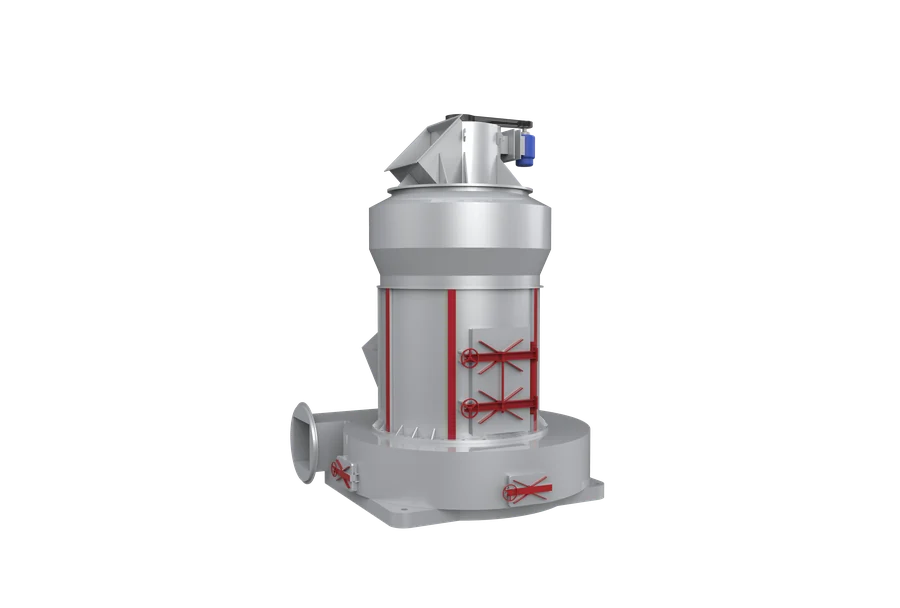
CRGM coal grinding mill main unit — grinding ring, plum-blossom frame, rollers and integrated turbine classifier
CRGM coal grinding mill main unit — the grinding ring, plum-blossom roller frame and integrated turbine classifier in one housing.

Working principle of the CRGM coal grinding mill

  1. Pre-crushing and feeding. Coal is crushed to 20 mm or less by a jaw or hammer crusher, lifted by bucket elevator into the storage silo, then fed evenly into the grinding chamber by an electromagnetic vibrating feeder with variable-frequency control.
  2. Grinding between roller and ring. Grinding rollers mounted on a plum-blossom frame revolve around the central shaft while self-rotating. Centrifugal force presses them outward against the fixed grinding ring, and the coal passes through three or four roller–ring gaps where it is crushed, squeezed and rolled repeatedly.
  3. Air conveying. A high-pressure blower creates a negative-pressure air stream that lifts the ground powder to the turbine classifier mounted on top of the mill.
  4. Precision classification. The classifying wheel runs at 3,000–6,000 rpm. Centrifugal force throws coarse particles to the periphery and back into the grinding chamber, while only fine particles pass through the wheel. Fineness is set by classifier speed — higher speed, finer powder — so 1250 mesh is a setting, not a rebuild.
  5. Collection and emission control. Qualified powder enters the diffusion double cyclone and leaves through a rotary valve as finished product. Residual dust goes to a pulse-jet bag filter, and clean air is discharged through the fan and muffler.
  6. Closed-loop recycle. Oversize particles rejected by the classifier return automatically to the grinding chamber until they meet the target. Blower, classifier, cyclone and bag filter form a closed negative-pressure circuit with a pressure-balancing valve — stable and dust-free.

Equipment structure — what the coal grinding mill is made of

Grinding ring

A fixed annular track that gives the rollers their support and trajectory while absorbing pressure, impact and friction. Its hardness and surface finish set both grinding efficiency and wear life; Cronus casts it in high-chromium alloy with an optional ceramic composite insert.

Grinding rollers & plum-blossom frame

Multiple rollers (21 or more grinding elements in the CRGM body) press outward against the ring through centrifugal force. Multi-layer roller–ring gaps mean the coal is worked several times per revolution, which is why high fineness is reached without extreme pressure.

Main shaft & drive

The drive shaft uses a multi-angle rhombic section for high stability: less vibration and noise, higher load capacity, and quick installation and removal of the surrounding components. Power is transmitted through a hardened reducer sized for continuous duty.

Turbine classifier (VFD)

The fineness control device. A variable-frequency-driven classifying wheel with a uniquely designed blade profile gives accurate, repeatable D97 classification and a narrow particle size distribution — the property that makes a stable flame possible.

High-pressure blower

Provides the negative pressure and conveying velocity for the whole circuit. Fitted with a professional noise-reduction muffler and sized to hold a constant airflow, which is what keeps capacity stable during long continuous runs.

Double cyclone collector

Diffusion-type twin cyclone that separates finished powder from the air stream with high efficiency and low pressure loss, discharging through a rotary valve directly to the screw conveyor and packing or silo.

Pulse-jet bag filter

Captures the residual dust with corrosion-resistant filter media matched to coal powder, taking total recovery to 99.9% and keeping stack emission below 20 mg/Nm³ while the circuit stays under negative pressure.

PLC control cabinet

Monitors vibration, motor frequency, temperature and system pressure in real time with a visualised HMI. Includes one-key start/stop, intelligent fault diagnosis, alarm and emergency shutdown — the reason one operator can run the line.

Why the CRGM coal grinding mill outperforms a conventional mill

Eight differences that show up in the operating account rather than in the spec sheet.

150–3000 mesh, adjustable on the fly

One coal grinding mill covers coarse kiln fuel and ultrafine slurry powder. Fineness changes by classifier VFD speed in seconds, with no screen change, no roller change and no shutdown.

30–50% less energy than a ball mill

Bed-compression grinding has far lower friction loss than tumbling media. At the same fineness and installed power the CRGM delivers roughly double the output of a ball mill, jet mill or stirred mill.

Wear parts that last 2–5 years

Rollers and rings are cast in Cronus' own foundry from wear-resistant alloy or ceramic composite, giving two to three times the life of conventional parts — over 50% lower wear cost per tonne than a standard Raymond mill.

D97 precision, batch after batch

An internal classification mechanism and a purpose-designed classifier wheel produce a uniform, narrow particle size distribution. That consistency is what protects kiln flame stability and cement quality from one shift to the next.

Coal-specific safety package

Explosion-proof motors and electrics, CO and O₂ monitoring, inerting interface, temperature interlock and closed negative-pressure operation. The machine is specified against the highest volatile content you may ever burn.

Modular, bolted, fast to repair

No rolling bearings or screws inside the grinding chamber. The modular design means wear parts are unbolted and swapped rather than cut out, cutting maintenance downtime to a fraction of a conventional assembly.

One-key PLC automation

Semi-automatic control with visualised HMI, one-key start/stop, remote monitoring and intelligent fault diagnosis. Reliance on manual operation drops sharply and product quality becomes repeatable.

Compact footprint, low foundation load

A vertical layout integrates grinding, classification and conveying in one unit, so the coal grinding mill system fits into existing buildings and retrofit projects where a ball mill circuit simply would not have room.

Industries that use a CRGM coal grinding mill

Pulverized coal is a fuel, a reductant and a feedstock. Each role sets a different fineness and a different system design.

Cement industry

Rotary kiln and precalciner fuel at 80–85% passing 200 mesh, where complete burnout protects clinker quality and avoids reducing conditions in the kiln.

Power generation

Pulverised-coal boilers, 70–85% passing 200 mesh, with supercritical and ultra-supercritical units moving toward 325 mesh and finer for lower unburnt carbon.

Iron & steel (PCI)

Blast-furnace pulverized coal injection at 70–85% passing 200 mesh with a narrow size distribution, displacing 20–30% of metallurgical coke.

Lime kilns

Pulverized coal as the main kiln fuel; stable fineness keeps the burning zone temperature even and prevents over-burning at the kiln shell.

Coal-water slurry

Two- or three-size blending with ultrafine coal powder lifts slurry solids to 63–70% and improves stability for gasification or boiler feed.

Coal gasification

Entrained-flow gasifiers want 250 mesh and finer; the higher surface area speeds conversion to syngas and reduces residual carbon.

Building materials

Fuel for brick, tile and ceramic kilns and for rotary dryers — usually 100–200 mesh, where cost per tonne of fuel matters more than peak fineness.

Chemical & carbon products

Activated-carbon precursors, foundry carbon additives, electrode paste and metallurgical carbon additives in the 200–1250 mesh range.

Materials — coal ranks and companion minerals the CRGM coal grinding mill handles

Lignite / brown coal lumps — high-moisture coal processed by the CRGM coal grinding mill
Lignite / brown coalHGI 50–60 · moisture up to 20% · needs pre-drying
Coal gangue lumps — waste coal with high ash content ground in a coal grinding mill
Coal gangueHigh ash, abrasive · derate capacity, hard-faced wear parts
Petroleum coke shot coke and sponge coke — ground to 200 mesh in a Cronus coal grinding mill
Petroleum cokeShot & sponge coke · 200 mesh (D90) carbon additive
Natural graphite ore — ultrafine carbon material ground by the CRGM ring-roller coal grinding mill
Graphite & carbon200–2500 mesh · battery and refractory feedstock
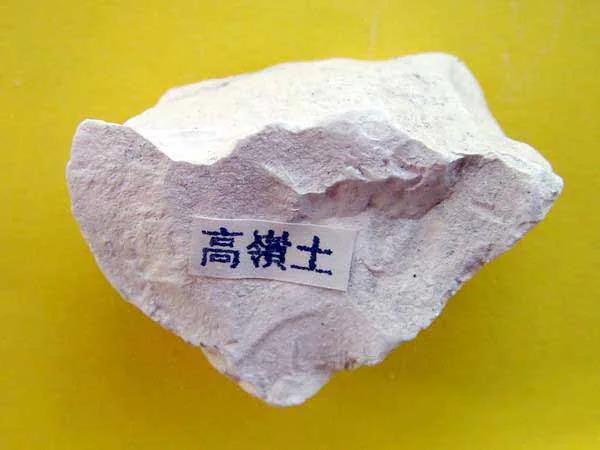
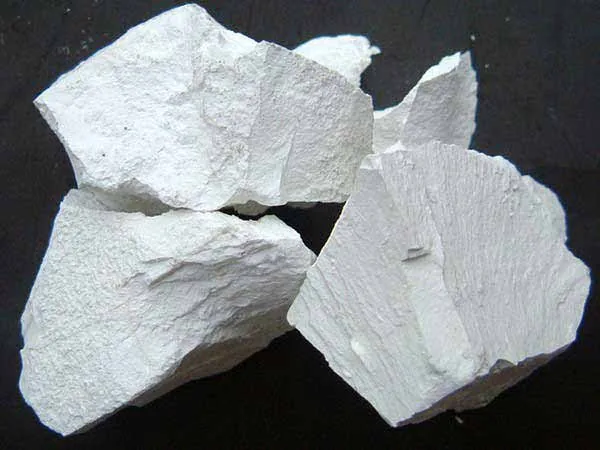
Kaolin clay — non-metallic mineral also processed on the same CRGM coal grinding mill platform
KaolinNon-coal duty · Mohs ≤ 7 · 325–2500 mesh
Limestone aggregate — companion material ground on the same coal grinding mill platform
LimestoneDesulphurisation sorbent · 200–325 mesh
Quicklime / active lime — ground to powder on the CRGM coal grinding mill platform
Quicklime / active lime200–400 mesh · flue-gas treatment and building materials
Bentonite clay — mineral also ground by the CRGM series ultrafine coal grinding mill
BentoniteDrilling fluid and foundry binder · 200–600 mesh
Dolomite — companion mineral ground on the CRGM coal grinding mill platform
DolomiteRefractory and filler · 200–1250 mesh
Gypsum rock — desulphurisation and building material ground on the ring-roller coal grinding mill
GypsumDesulphurisation · 200–325 mesh
Cement clinker — cement plant material ground on the same mill platform as the coal grinding mill
Cement clinkerCement plant duty · 325–600 mesh
Granulated blast-furnace slag — ground on the CRGM coal grinding mill platform
GGBS slagBlended cement · 400–800 mesh
Bituminous HGI 60–80 · the standard pulverized fuel Sub-bituminous HGI 55–70 · higher moisture, derated capacity Anthracite HGI 40–50 · low volatiles, ground 200–325 mesh to ignite Clean coal low ash · longest wear-part life Fly ash for blended cement and concrete Bauxite alumina and refractory feedstock Gypsum desulphurisation and building products Slag ground granulated blast-furnace slag Quartz Mohs 7 · reduced-capacity duty Dolomite and marble fillers

The CRGM coal grinding mill in one paragraph. If you remember nothing else from this page, remember these five statements — they are the answers our engineers give most often.

  • A coal grinding mill is sized by fineness first, then by coal properties, then by tonnage — never in the reverse order.
  • The CRGM coal grinding mill covers 150–3000 mesh from a single unit, because fineness is set by classifier speed rather than by changing parts.
  • At 200 mesh a coal grinding mill of this type consumes 16–22 kWh per tonne and recovers up to 99.9% of the finished powder.
  • Drying happens inside the coal grinding mill, so a separate dryer is normally unnecessary up to about 6% feed moisture.
  • The safe operating envelope of a coal grinding mill on coal duty is defined by volatile matter, not by hardness — and every Cronus quotation is built around it.
3000Maximum mesh, adjustable
20 t/hTop capacity at 200 mesh (CRGM125)
99.9%Powder recovery, closed negative pressure
30–50%Less specific energy than a ball mill
Performance parameters

CRGM80 · CRGM100 · CRGM125 — coal grinding mill technical parameters

The tables below are the reference specification for the three standard CRGM coal grinding mill models. Capacity in particular is coal-dependent: the figures assume bituminous coal with HGI 55–70 and feed moisture up to 6%. Send us your coal analysis and we will confirm the numbers that appear in your contract.

CRGM80Entry model
single kiln / boiler
Capacity at 200 mesh
0.5–5.5 t/h
Fineness range
150–3000 mesh
Max. feed size
≤ 20 mm
Main unit power
75 kW
Classifier power
18.5 kW (VFD)
Blower power
45 kW
Installed power
≈ 143 kW
Overall dimensions
15.9 × 4.2 × 6.1 m
Quote CRGM80
CRGM100Most requested
kiln & PCI duty
Capacity at 200 mesh
1.2–10 t/h
Fineness range
150–3000 mesh
Max. feed size
≤ 20 mm
Main unit power
132 kW
Classifier power
30 kW (VFD)
Blower power
75 kW
Installed power
≈ 242 kW
Overall dimensions
19.7 × 4.7 × 7.7 m
Quote CRGM100
CRGM125High output
multi-line plants
Capacity at 200 mesh
2.5–20 t/h
Fineness range
150–3000 mesh
Max. feed size
≤ 20 mm
Main unit power
185 kW
Classifier power
75 kW (VFD)
Blower power
132 kW
Installed power
≈ 397 kW
Overall dimensions
23.2 × 4.7 × 7.7 m
Quote CRGM125

Complete technical specification

CRGM series coal grinding mill — full parameter table (reference values)
Parameter CRGM80 CRGM100 CRGM125
Finished fineness (D97)150–3000 mesh / 74–5 µm, continuously adjustable by classifier VFD
Maximum feed size≤ 20 mm (pre-crushing to ≤ 20 mm required)
Feed moisture≤ 6% (higher moisture requires a drying circuit)
Material hardnessMohs ≤ 7 (some configurations ≤ 8)
Capacity at 200 mesh (74 µm)0.5–5.5 t/h1.2–10 t/h2.5–20 t/h
Main unit power75 kW132 kW185 kW
Classifier power (variable frequency)18.5 kW30 kW75 kW
High-pressure blower power45 kW75 kW132 kW
Discharge valve power0.75 × 2 kW1.1 kW1.5 kW
Screw conveyor power3 kW4 kW4 kW
Total installed power (approx.)≈ 143 kW≈ 242 kW≈ 397 kW
Overall dimensions (L × W × H)15.9 × 4.2 × 6.1 m19.7 × 4.7 × 7.7 m23.2 × 4.7 × 7.7 m
Classifier speed3,000–6,000 rpm (VFD), set by target D97
Grinding elementsMulti-layer roller–ring gap; 21 or more grinding elements in the mill body
Dust emission≤ 20 mg/Nm³ with pulse-jet bag filter
Powder recoveryup to 99.9% in closed negative-pressure circuit
ControlPLC with visualised HMI, one-key start/stop, fault diagnosis and alarm
Motors & electricsExplosion-proof option (required for coal duty)
Wear part service lifeRollers and ring typically 2–5 years on coal duty

* Reference values for guidance — every coal grinding mill quotation is confirmed against your own coal sample. Actual capacity and power depend on coal rank, HGI, moisture, ash content, target fineness and the shape of the required particle size distribution. Please refer to the contract specification or the product manual for guaranteed figures.

Capacity versus fineness — reference t/h

Indicative capacity of each coal grinding mill model at different product fineness
FinenessCRGM80CRGM100CRGM125
200 mesh — 74 µm0.5–5.51.2–102.5–20
325 mesh — 45 µm0.4–4.20.9–7.51.9–15
400 mesh — 38 µm0.35–3.40.8–6.01.6–12
800 mesh — 18 µm0.2–2.00.45–3.60.9–7.2
1250 mesh — 10 µm0.15–1.40.35–2.50.7–5.0
2000 mesh — 6.5 µm0.1–0.90.2–1.60.45–3.2
2500 mesh — 5 µm0.1–0.80.18–1.40.4–2.8

Assumes bituminous coal, HGI 55–70, feed moisture ≤ 6% and feed size ≤ 20 mm, ground on a CRGM coal grinding mill. Halve the top of each range for anthracite or high-ash coal.

Energy and operating data

Specific energy consumption and site requirements
ItemReference value
Specific energy at 200 mesh16–22 kWh per tonne
Specific energy at 325–400 mesh28–40 kWh per tonne
Specific energy at 1250 mesh55–80 kWh per tonne
Comparison with a ball mill30–50% lower specific energy at equal fineness
Finished powder moisture≤ 1% after in-circuit drying
Drying air temperature200–320 °C at mill inlet, < 85 °C at mill outlet
FoundationReinforced concrete block; dynamic load data supplied with the layout drawing
Headroom requirementClassifier and cyclone stack need clear vertical space — see layout drawing
Site servicesPower supply, hot gas source, compressed air, dust collection connection

Complete supply scope. Main unit, turbine classifier, high-pressure blower, diffusion double cyclone, rotary discharge valve, pulse-jet bag filter, screw conveyor, PLC control cabinet, explosion-proof motors — plus optional jaw or hammer crusher, bucket elevator, storage silo, vibrating feeder and hot gas generator.

Mill comparison

CRGM coal grinding mill vs. Raymond mill, ball mill and vertical roller mill

Every one of these coal grinding mill types can make 200 mesh coal powder. They diverge sharply on what happens when you ask for 325 mesh, when your coal moisture rises, or when your coal gets hard. The table is written so you can find the row that decides your project.

Coal grinding mill comparison — CRGM ring-roller vs. ball mill, Raymond mill and vertical roller mill
Comparison CRGM ring-roller coal grinding mill Raymond mill Ball mill (tube / air-swept) Vertical roller mill
Working fineness150–3000 mesh (74–5 µm)80–400 mesh40–200 mesh efficient30–325 mesh
Typical capacity0.5–20 t/h0.5–25 t/h10–100 t/h20–400 t/h
Grinding principleMulti-layer roller–ring bed compressionPendulum rollers on a single ringImpact and attrition of steel ballsRollers on a rotating table
Specific energy (200 mesh)16–22 kWh/t20–28 kWh/t25–40 kWh/t15–25 kWh/t
Maximum feed moisture≤ 6% in-mill (higher with pre-drying)≈ 8%15–20% with drying chamber15–20%
D97 precision / PSD controlExcellent — VFD turbine classifierModeratePoor without a dynamic classifierGood
Fineness adjustmentContinuous, by classifier speed, no shutdownClassifier speed, limited rangeSlow; requires mill holdup changesClassifier speed
Tolerance to hard / abrasive coalModerate — de-rate below HGI 45ModerateBest in classModerate
Wear cost per tonneLow at fine sizes — 50%+ below a conventional Raymond millModerate to highModerate (media + liners)Low
Footprint & civil workCompact, low foundation loadCompactLarge mill, dryer and conveyorsCompact
Response to load changeFastFastSlow — large material holdupFast
Best fitFineness above 325 mesh; mixed duties; slurry and filler powder; retrofits200 mesh, up to 10 t/h, low capital budgetHard, abrasive, wet or very variable coal; very large tonnageHigh tonnage with integrated drying of medium-fine coal
LimitationNot the first choice for coal above 15% moisture or HGI below 40Cannot hold 1250 mesh; struggles with wet coalInefficient below 200 mesh; high power per tonneHighest capital cost; sensitive to tramp metal

Choose the CRGM coal grinding mill when…

  • Your fineness target is 325 mesh or finer — 45 µm down to 5 µm
  • You need 200 mesh today and 1250 mesh for a coal-water slurry project next year
  • Product consistency matters more than raw tonnage: kiln flame stability, cement quality, PCI burnout
  • You are retrofitting into an existing building with limited floor space and headroom
  • Your coal is dry (≤ 6% moisture) and not extremely hard (HGI above about 45)
  • You want a complete line from one supplier: crusher, mill, classifier, dust collection, silo and control

Choose something else when…

  • A ball mill is better — moisture above 15%, ash above 30%, HGI below 40, or tonnage beyond 100 t/h
  • A vertical roller mill is better — 20–400 t/h at 200 mesh where energy per tonne dominates and capital is available
  • A Raymond mill is better — you need 200 mesh at up to 10 t/h on the smallest possible budget
  • A hammer or fan mill is better — the fuel only has to reach 40–80 mesh for a fluidised bed

Not sure which side of the line your coal grinding mill should be on? Send us the coal analysis and the fineness specification — we will tell you honestly, including when the answer is not a CRGM.

Engineering cases

Coal and carbon grinding projects delivered by Cronus

More than 8,000 grinding units have left our workshops since 1973. The coal grinding mill and carbon grinding projects below are the ones closest to that duty — including a Vietnam coal powder plant running three independent lines and a petroleum coke plant that has been in service for more than a decade.

Vietnam 35,000 TPA pulverized coal powder plant built by Cronus with Raymond coal grinding mills and explosion-proof electrics
Vietnam coal powder plant — three independent lines delivering 200 mesh fuel for cement, steel and textile customers.
Featured project

Vietnam — 35,000 t/year pulverized coal powder plant, 200 mesh

LocationVietnam
MaterialCoal
Annual capacity35,000 t/year, three independent lines
Product fineness200 mesh
Cronus solutionCLRM9720 & CLRM1300 mill lines
ScopeJaw crusher, bucket elevator, storage silo, vibrating feeder, main mill unit, classifier, blower, dust collector, electrical control cabinet, explosion-proof motors
Commissioned2025

Three parallel lines rather than one large mill give the operator capacity redundancy and load flexibility: a single line can be stopped for maintenance without interrupting supply to the cement, steel and textile customers who depend on the plant. The classifier is set to a D97 cut point adjustable between 80 and 400 mesh, so the same plant can follow the local market between coarse boiler fuel and finer injection-grade powder.

Because the coal handled by a coal grinding mill is flammable and explosive, the whole production line uses high-standard explosion-proof motors and electrical control components, and runs under negative pressure with a pulse dust collector that captures 99.9% of the powder and holds stack emission inside Vietnam's local limits. Cronus engineers travelled to site for full-process installation, commissioning and calibration, then trained the local operation and maintenance team.

12 years in service

Heilongjiang, China — petroleum coke pulverizing plant, 10–12 t/h

MaterialPetroleum coke (shot coke + sponge coke)
Feed size≤ 3 mm
Product fineness200 mesh (D90)
Capacity10–12 t/h
Commissioned2014 · capacity expansion ordered 2025

Petroleum coke is porous, hard and abrasive, and the powder tends to adhere to duct walls. Our engineers redesigned the air-duct geometry for this specific material, which removed the adhesion and pressure-drop problems that plague generic mills on coke duty. The circulating classification loop returns oversize particles to the grinding zone instead of re-grinding finished powder, which prevents over-grinding and cuts energy per tonne by more than 15% against the traditional equipment it replaced.

The plant ran through more than a decade of northern China winters without structural fatigue, and in 2025 the customer returned with an expansion order after comparing several brands. Their stated reasons were operational stability, zero dust spillage, uniform 200 mesh powder with very low impurity, and the energy consumption per tonne.

Petroleum coke pulverizing line in Heilongjiang, China — Cronus coal grinding mill producing 200 mesh carbon additive
Heilongjiang petroleum coke pulverizing line — 200 mesh (D90) carbon additive, in service since 2014.

Other recent deliveries

Zhengzhou aluminium ash project

300,000 t/year aluminium ash processing line, grinding the recovered residue to powder for reuse in the aluminium and cement industries.

Jiangxi precipitated calcium carbonate

1,000,000 t/year high-quality PCC project with six large production lines — Cronus' large-scale powder engineering reference project.

Henan bauxite deep processing

Bauxite grinding line supplying refractory and alumina-grade powder, including the crushing and drying circuit.

Customer sites and operating plants

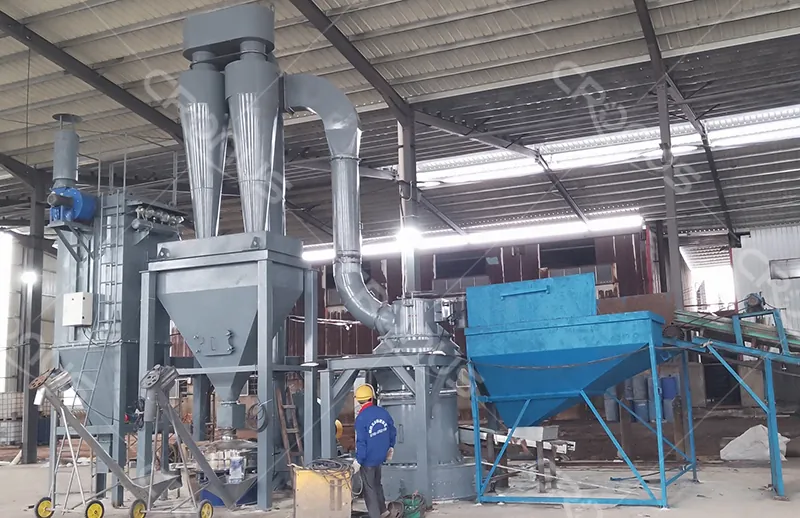
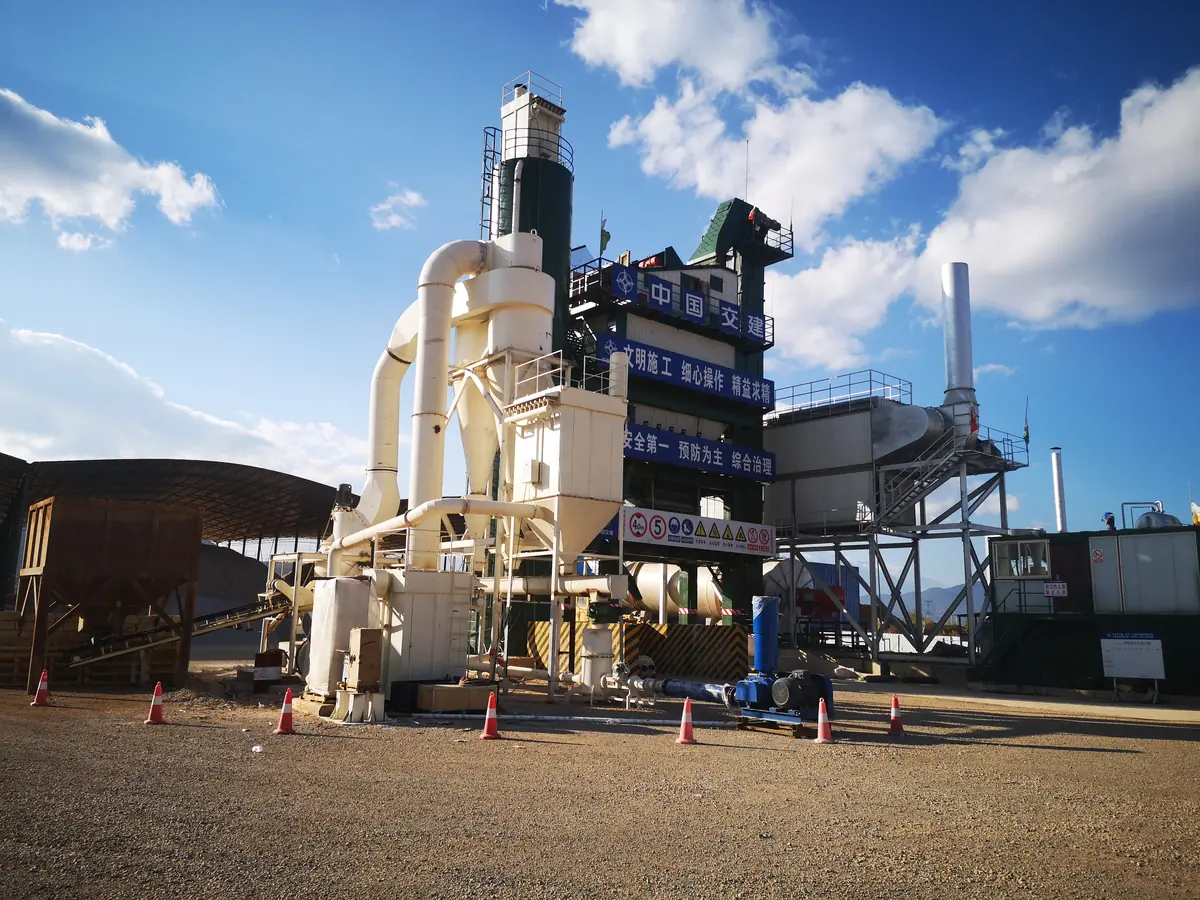
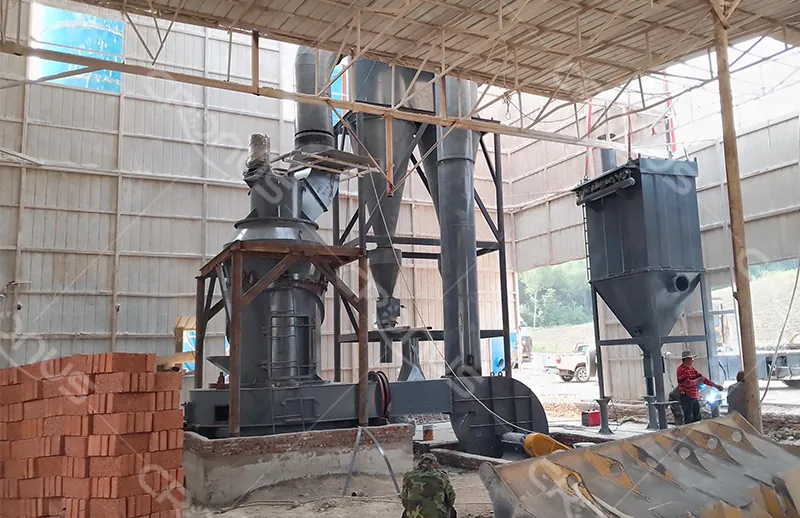
Industrial coal powder plant with a Cronus coal grinding mill and bag filter dust collection system Grid-connected powder plant — mill house and dust collection
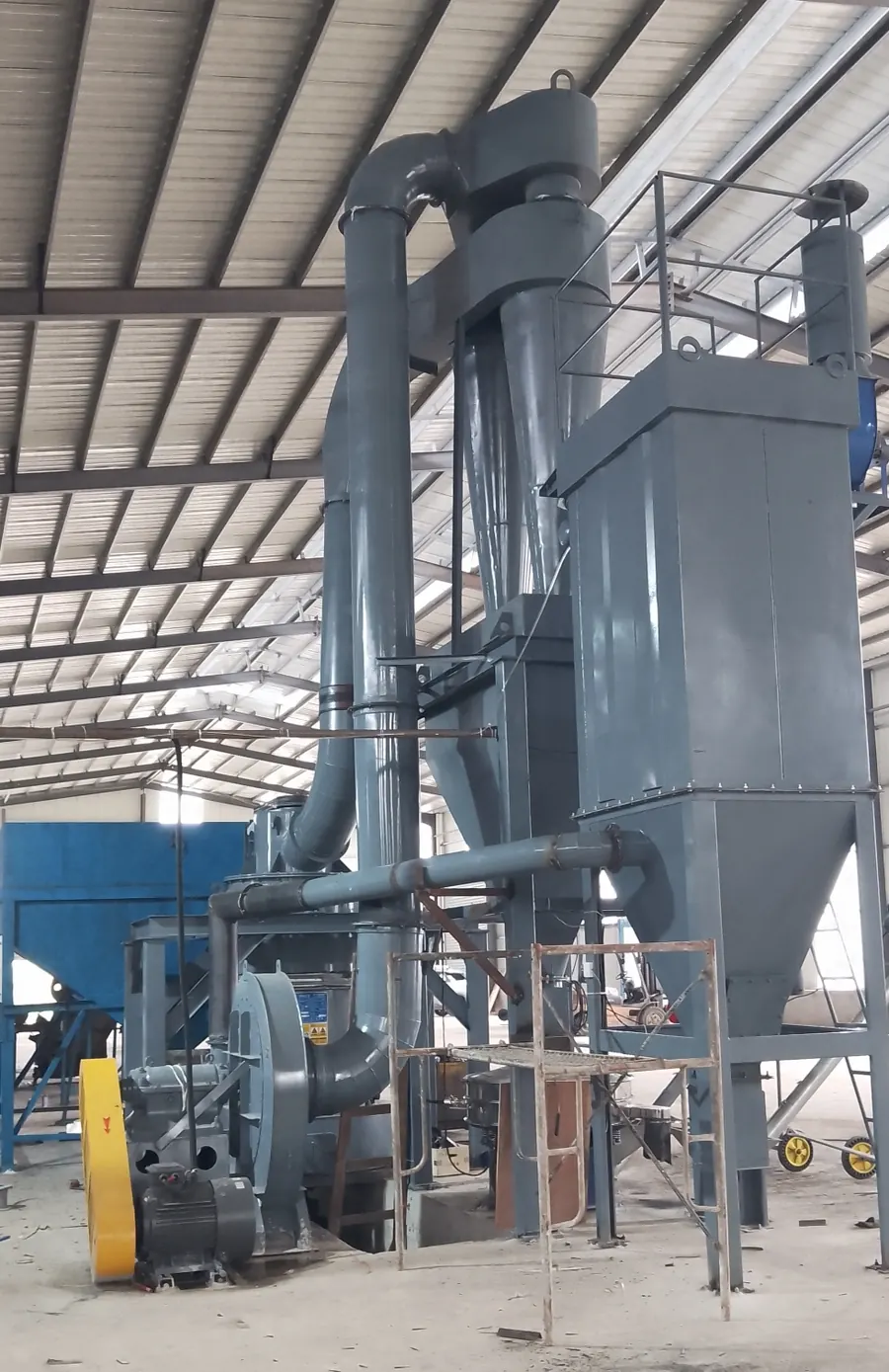
Cronus coal grinding mill line with cyclone collectors and pulse-jet dust filter in operation Cyclone and pulse filter bank
Customer site of a Cronus coal grinding mill with negative pressure dust-free operation Negative-pressure grinding circuit
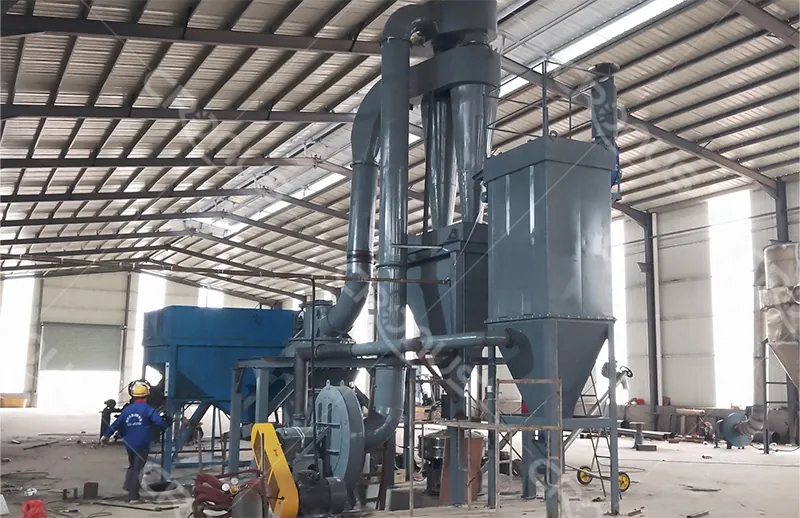
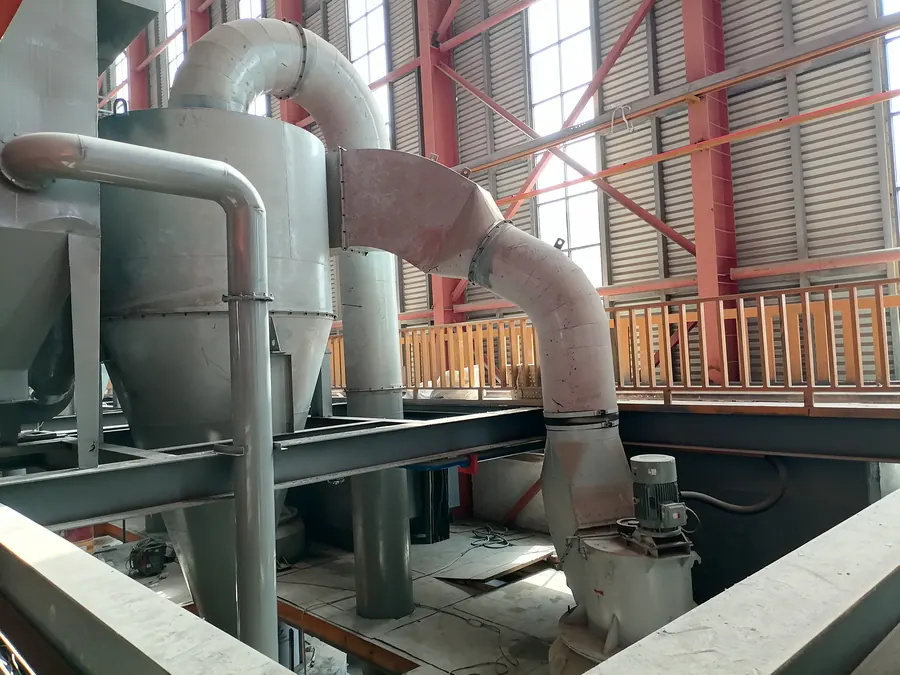
Coal grinding mill plant ductwork, classifier stack and collection system Classifier stack and ducting
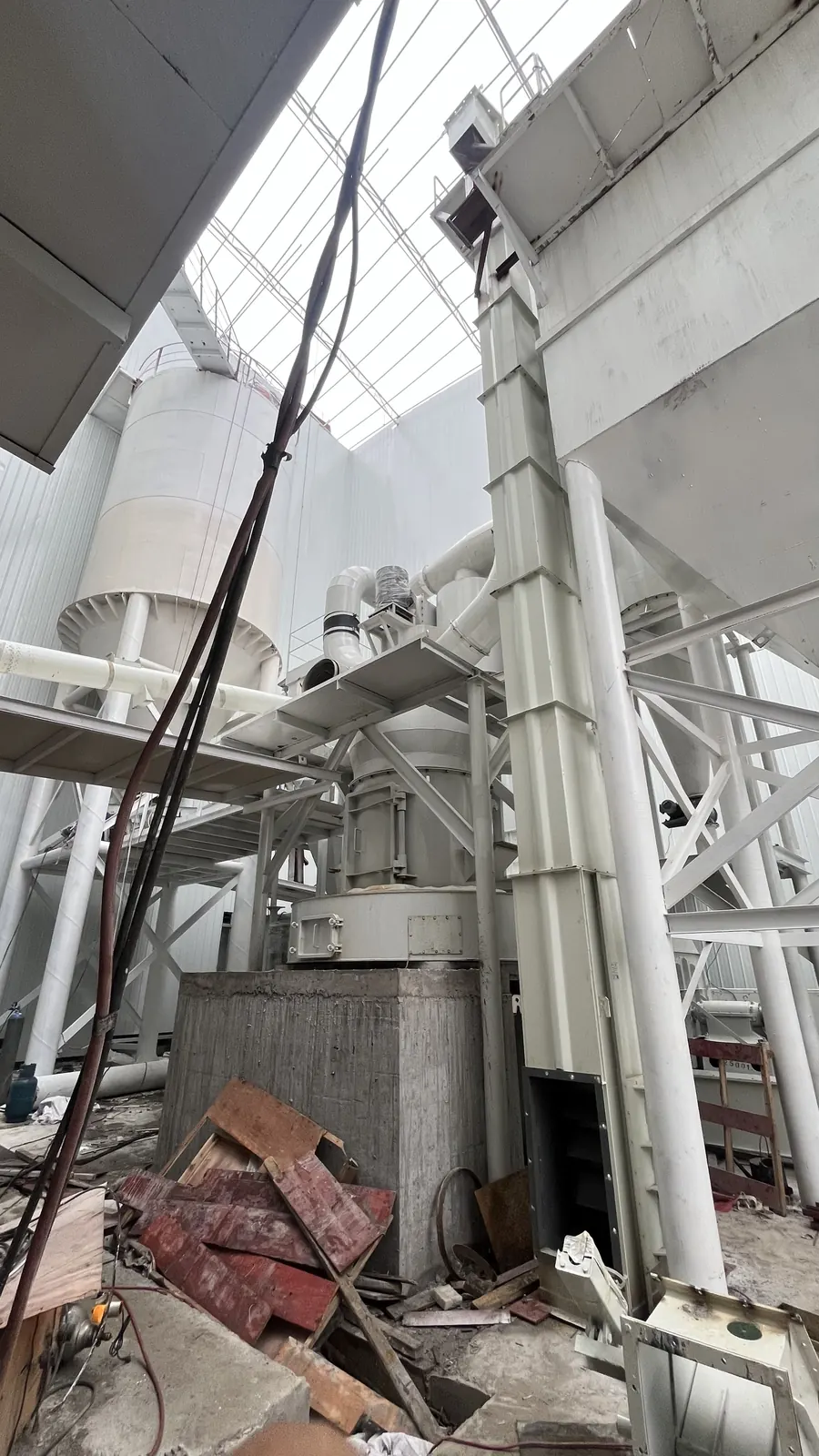
Indoor coal grinding mill installation showing main unit, classifier and process piping Indoor pulverizing line
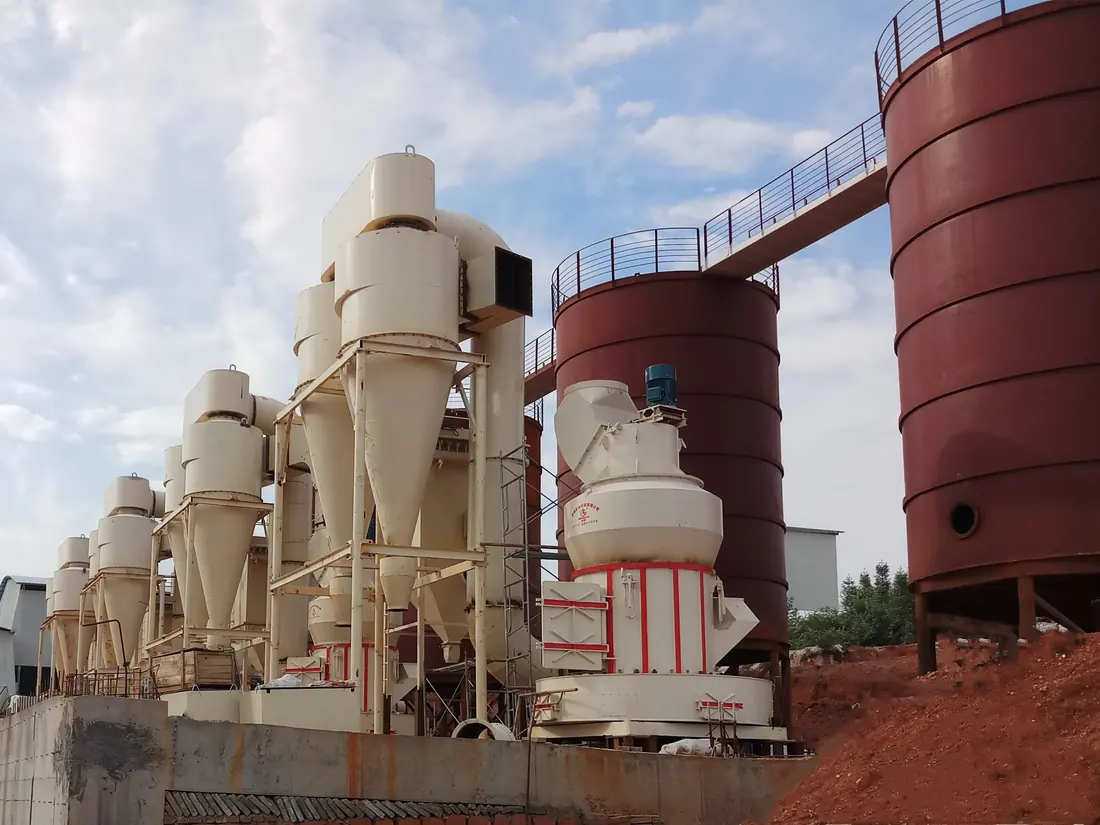
Outdoor coal grinding mill plant with multiple mill units and finished powder silos Multi-unit outdoor plant
Powder collection and pneumatic conveying equipment of a coal grinding mill line Collection and conveying
Aluminium ash grinding project indoor line with crusher and coal grinding mill Aluminium ash project
Cronus coal grinding mill installation under commissioning at a customer site Commissioning on site
Rotary discharge valve and finished powder handling equipment of a coal grinding mill Discharge and handling
Zhengzhou aluminium ash processing project equipment supplied by the coal grinding mill manufacturer Cronus Aluminium ash processing
Pulverized coal production line storage and collection area with Cronus grinding mill Storage and collection area

Photographs are of Cronus equipment and customer sites. Where a customer's identity is confidential we publish the installation only — no third-party branding appears in any image on this page.

Wear parts & spares

Coal grinding mill wear parts — and why Cronus parts last longer for less

On a coal grinding mill, the wear parts are the operating cost. Roller sleeves pressed from the wrong alloy or a ring liner cast to a loose tolerance will cost you the difference in output, fineness consistency and unplanned downtime long before the invoice arrives. Cronus casts and machines its own.

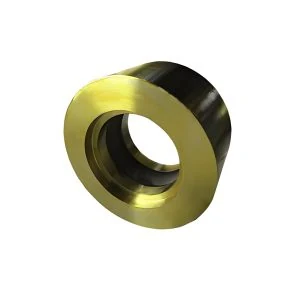
Grinding roller sleeve wear part for the CRGM coal grinding mill
Grinding roller (sleeve)
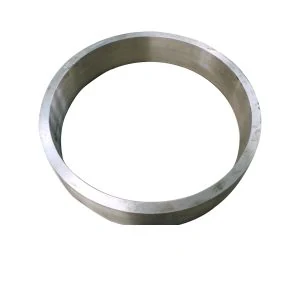
Grinding ring liner wear part of the coal grinding mill
Grinding ring (liner)
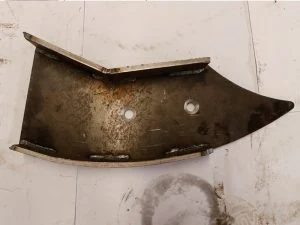
Shovel blade wear part of the grinding mill
Shovel / rake blade
Roller assembly with shaft, bearing housing and press-on cover for coal grinding mill
Roller assembly

Common coal grinding mill wear parts and consumables

Coal grinding mill spare parts — material, service life and replacement guidance
PartMaterialTypical life on coalNotes
Grinding roller (sleeve)High-chromium alloy, Mn13, ceramic composite2–5 yearsReplaced as a set so the grinding layer stays level
Grinding ring (liner)High-chromium cast iron, ceramic composite2–5 yearsService life matched to the rollers; both are cast in our own foundry
Classifier blades / wheelWear-resistant alloy, hardened steel1–3 yearsBlade condition directly affects D97 accuracy
Shovel / rake bladeHard-faced carbon steel1–2 yearsLifts material into the roller–ring gap
Roller shaft & bearing housingForged alloy steel, cast housing3–6 yearsInspected at every major overhaul
Main shaft & plum-blossom frameAlloy steel, rhombic section5 years+Bolted modular design for quick removal
Oil seals & fastenersNBR / PTFE, grade 8.8–10.91–2 yearsNo screws inside the grinding chamber by design
Rotary discharge valveCast iron body, alloy rotor2–4 yearsAir-seal integrity protects the negative-pressure loop
Filter bags & cagesAnti-static, corrosion-resistant needle felt1–3 yearsAnti-static media is mandatory on coal dust
Blower impellerWear-resistant steel, dynamically balanced3–5 yearsRebalanced at overhaul to protect bearings
Reducer gears & bearingsCase-hardened alloy steel5 years+Oil analysis drives the replacement interval

Our own foundry and machining shops

Cronus operates its own casting workshop and machining workshop, plus a grinding mill workshop of roughly 20,000 m². Wear parts are cast, heat-treated and finish-machined in-house, so the alloy in the specification is the alloy in the box — and the lead time is ours to control, not a subcontractor's.

Original drawings, not reverse-engineered guesses

We are the inventors of China's first Raymond mill and hold multiple patents in grinding technology. Parts are produced from original drawings to guarantee fit and function, and we also machine to customer-supplied drawings when a plant runs mixed-brand equipment.

Wear life that pays for itself

Special wear-resistant alloy steel and high-chromium castings give two to three times the life of conventional parts. Over 50% lower wear cost per tonne than a standard Raymond mill at the same fineness, with prices typically well below imported OEM equivalents.

Compatibility across major brands

Cronus parts are widely compatible with YGM series Raymond mills, GK series mills, CRRM series mills, MTW European-style mills and our own CRGM ring-roller coal grinding mills — useful when a plant standardises spares across several mill types.

Fast availability, 7–15 days

Standard wear parts are held in stock and dispatched within 7–15 days. Emergency ball and roller assemblies can be expedited — a mill standing still costs far more per day than the part it is waiting for.

Spare-parts package with every mill

Each coal grinding mill ships with a recommended one-year spares package — rollers, ring, classifier blades, seals and filter bags — so the first maintenance cycle never waits on a purchase order.

About Cronus

Cronus — the export arm of Guilin Mining Machinery, a grinding mill builder since 1973

Shanghai Cronus Machinery Co., Ltd. is a wholly-owned subsidiary of Guilin Mining Machinery Co., Ltd., created to give international customers direct engineering support rather than a trading layer. Everything we sell is engineered, cast and machined inside the same group that has been building coal grinding mill and powder processing equipment in Guilin since 1973.

  • 1973 — founded as Guilin Mining Machinery Factory. Now a backbone enterprise of the Guangxi machinery industry and one of the two grinding-equipment manufacturers designated by the former Ministry of Electrical and Mechanical Services of China.
  • Recognised technical base. Listed among the first batch of outstanding scientific and technological enterprises in Guangxi, with a provincial Enterprise Technology Centre and a Manufacturing Single Champion Demonstration Enterprise award.
  • 2013 — restructured from a state-owned enterprise into a private company, freeing up investment in research and production capacity.
  • 2019 — relocated as a whole from Lingchuan County to the Guilin High-speed Railway Economic Industrial Park, into a modern plant with its own foundry, machining and assembly workshops.
  • Today — research, development and manufacture of coal grinding mills, vertical roller mills, superfine roller mills, Raymond mills, ultrafine ring-roller mills, hydrated lime production lines, separators, crushers, sand making machines and integrated sand-and-powder grinding machines, exported to customers worldwide.
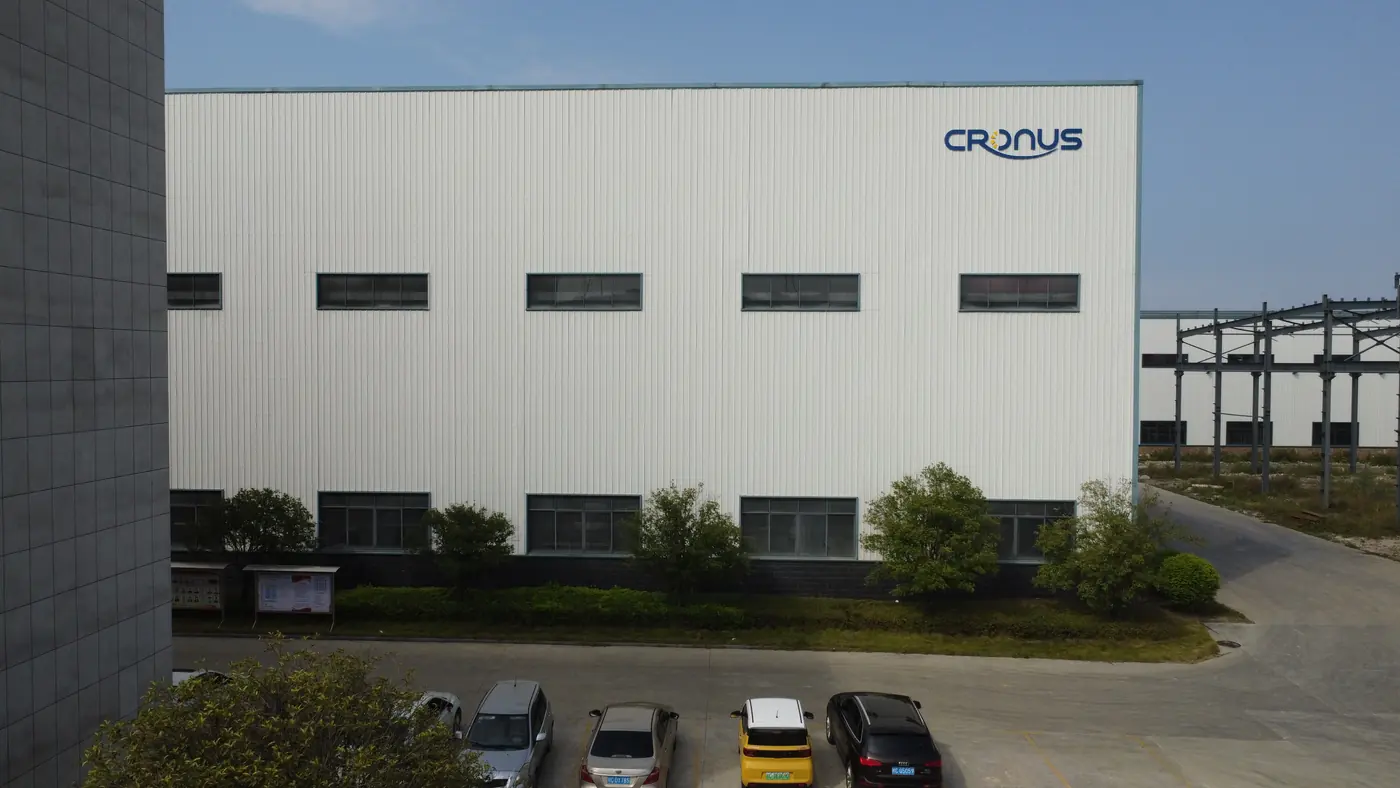
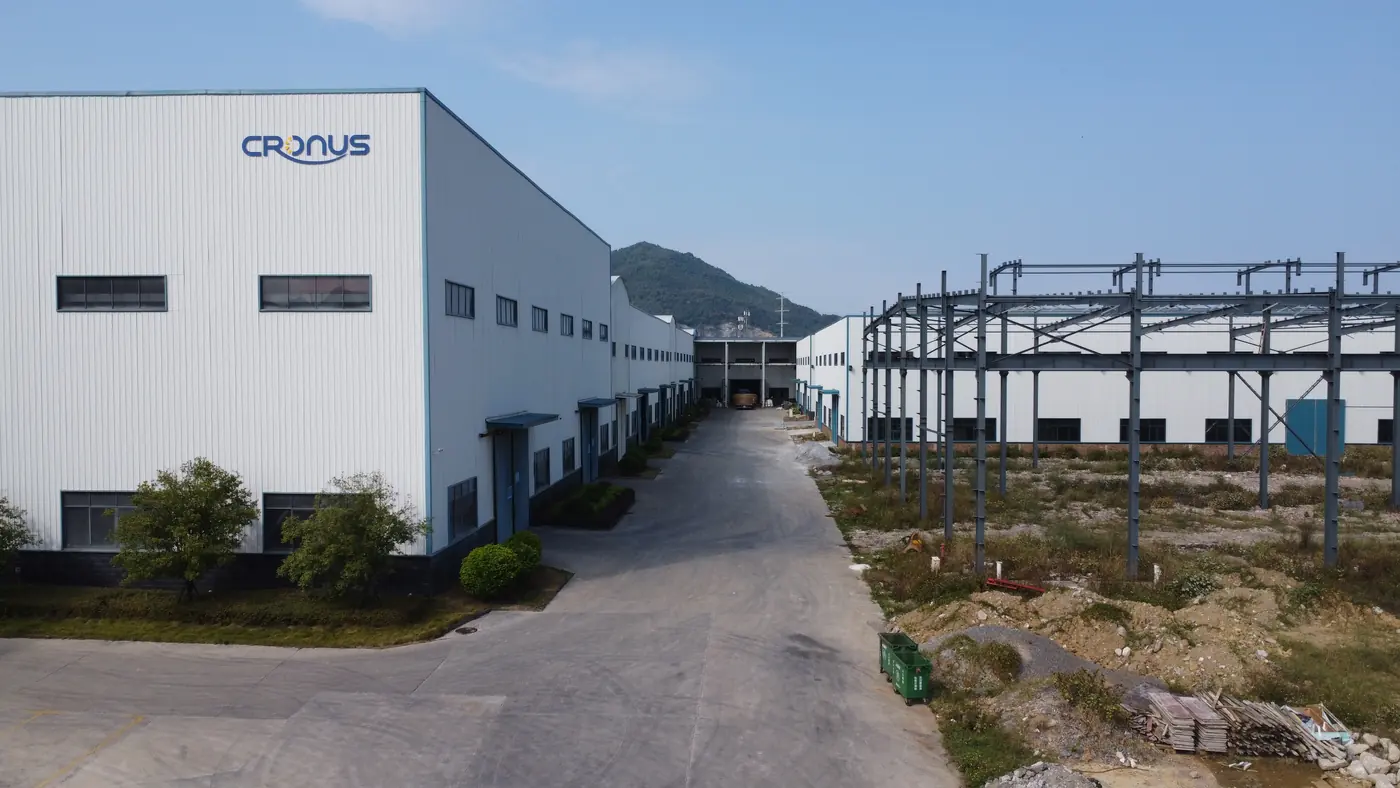
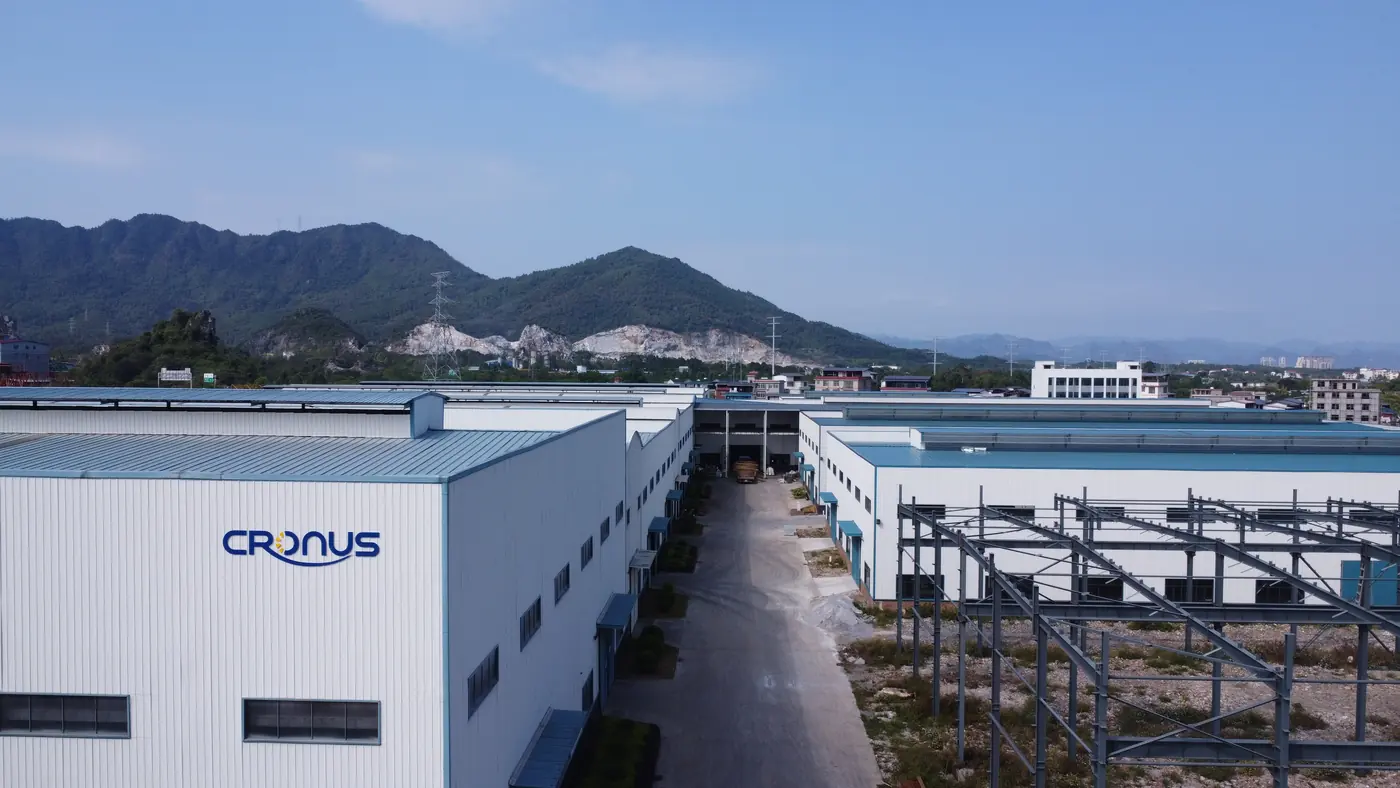
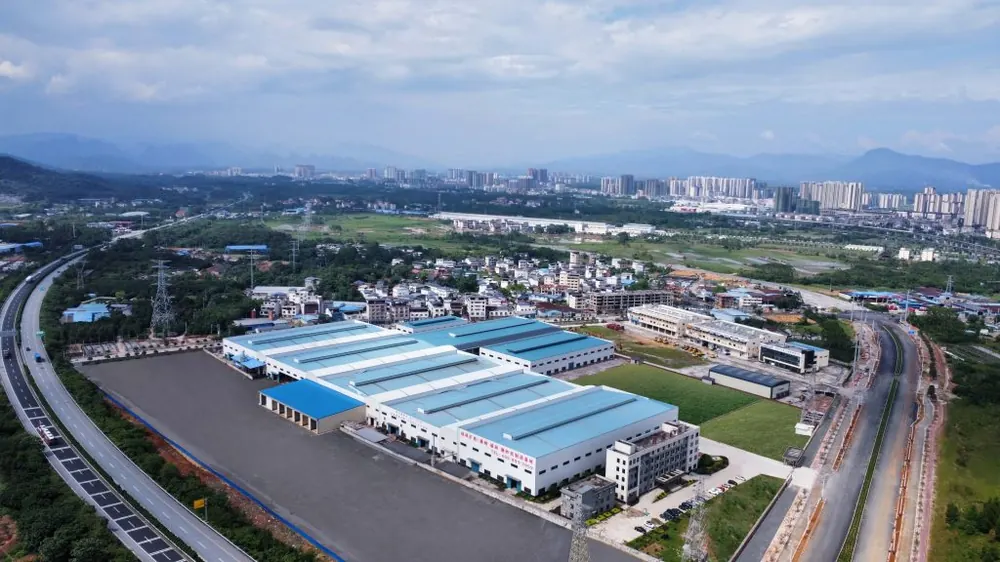
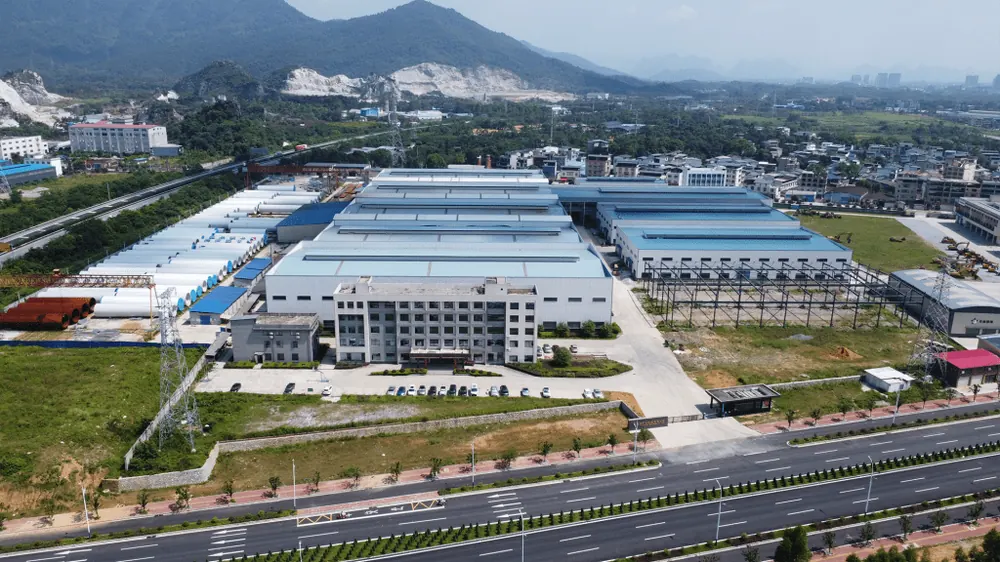
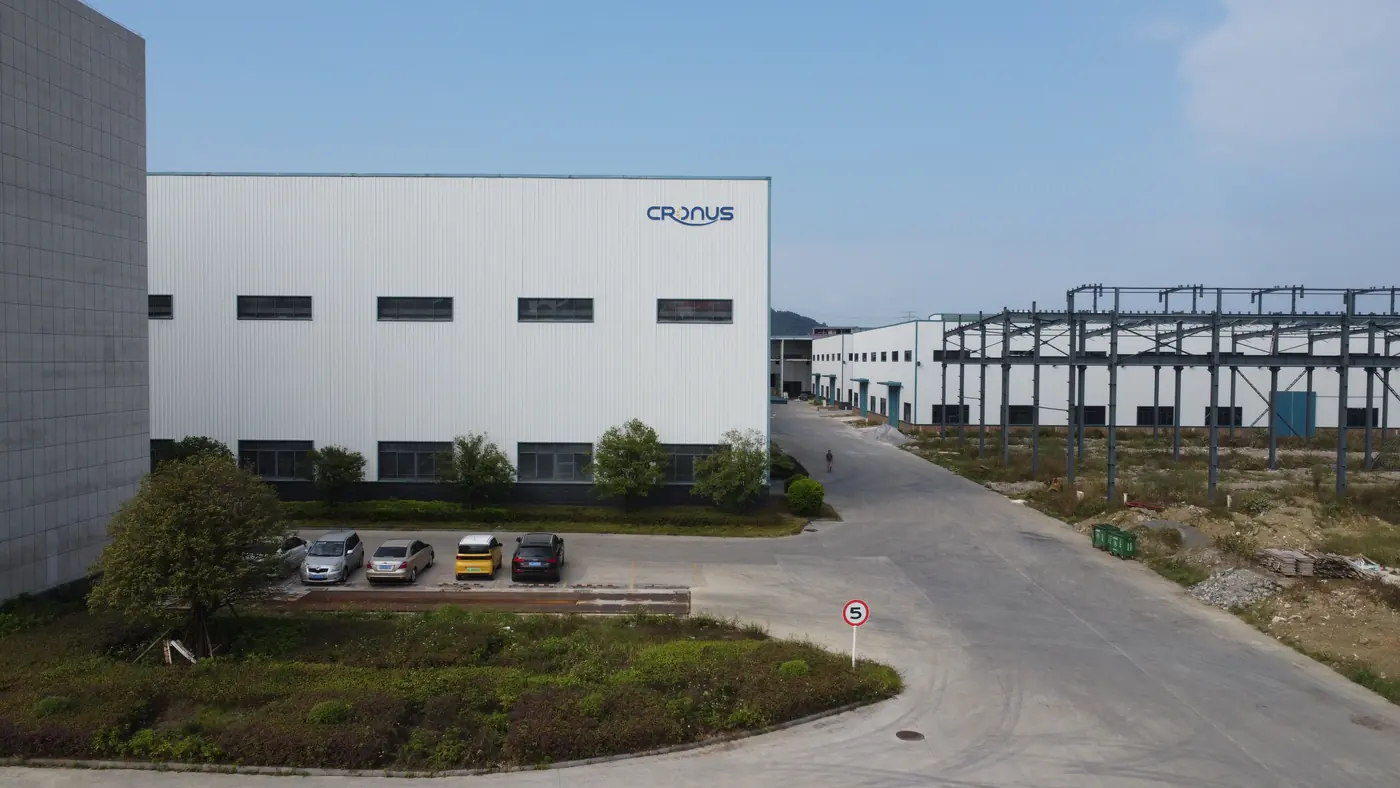
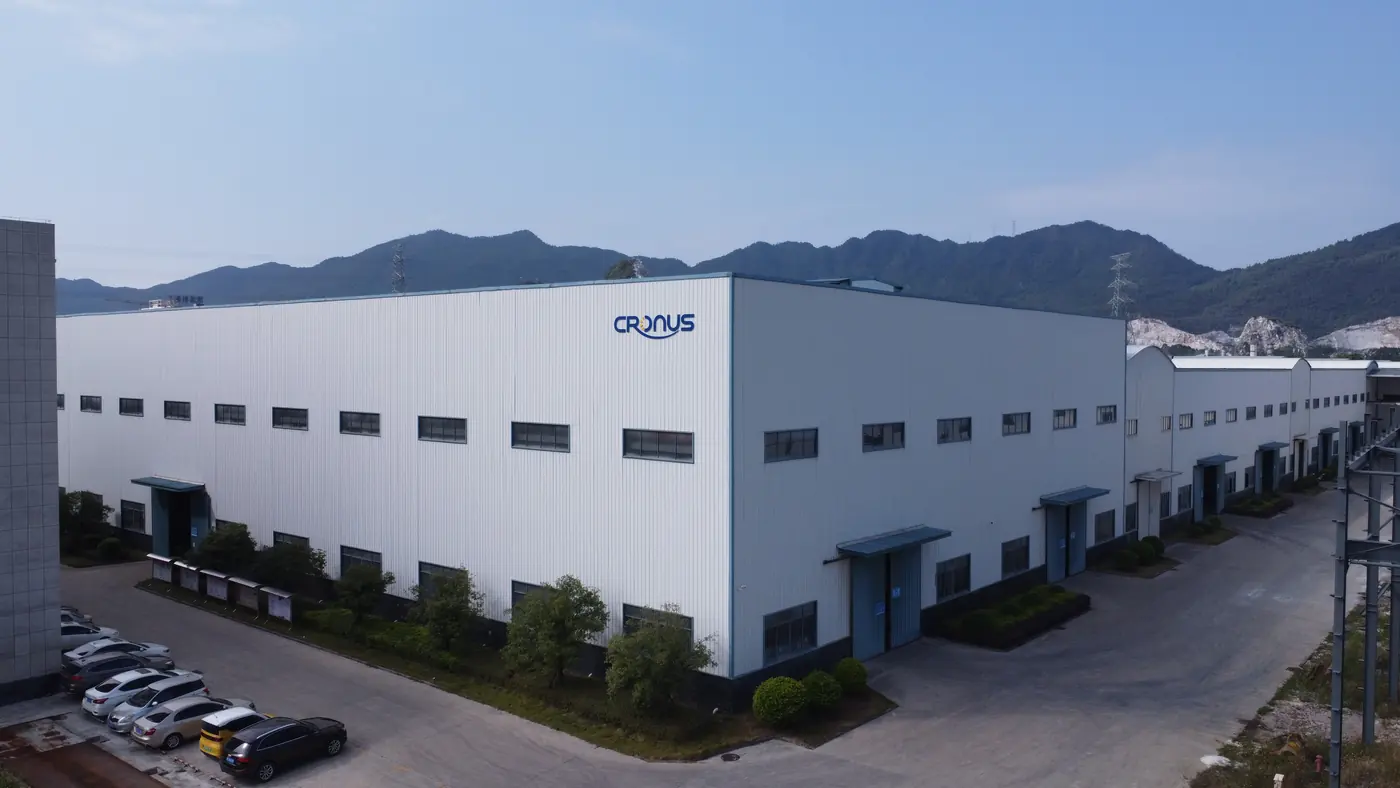
Cronus and Guilin Mining Machinery manufacturing base — plant buildings producing coal grinding mills
The Guilin manufacturing base — foundry, machining and assembly workshops under one roof.
50+Years focused on powder processing
55+Patented technologies
8000+Grinding units sold
20+Years as a best-selling platform

Certifications, honours and intellectual property

Certificates are shown as issued. Click any document to enlarge it.

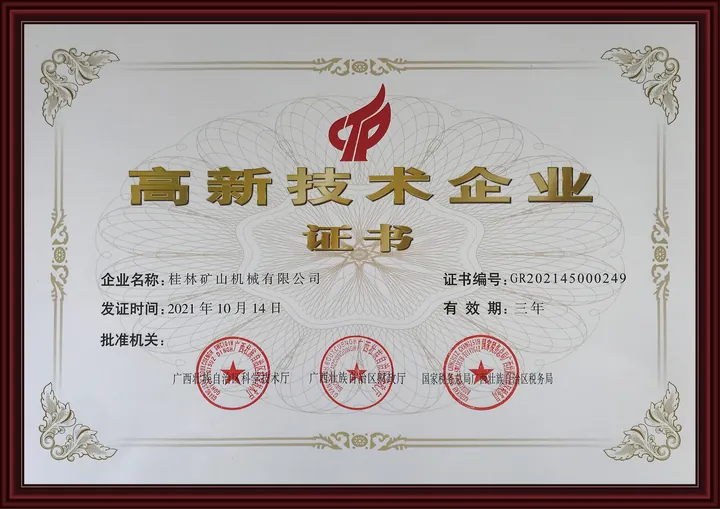
National High-Tech Enterprise certificate awarded to the coal grinding mill manufacturer National High-Tech EnterpriseHigh-tech enterprise certificate
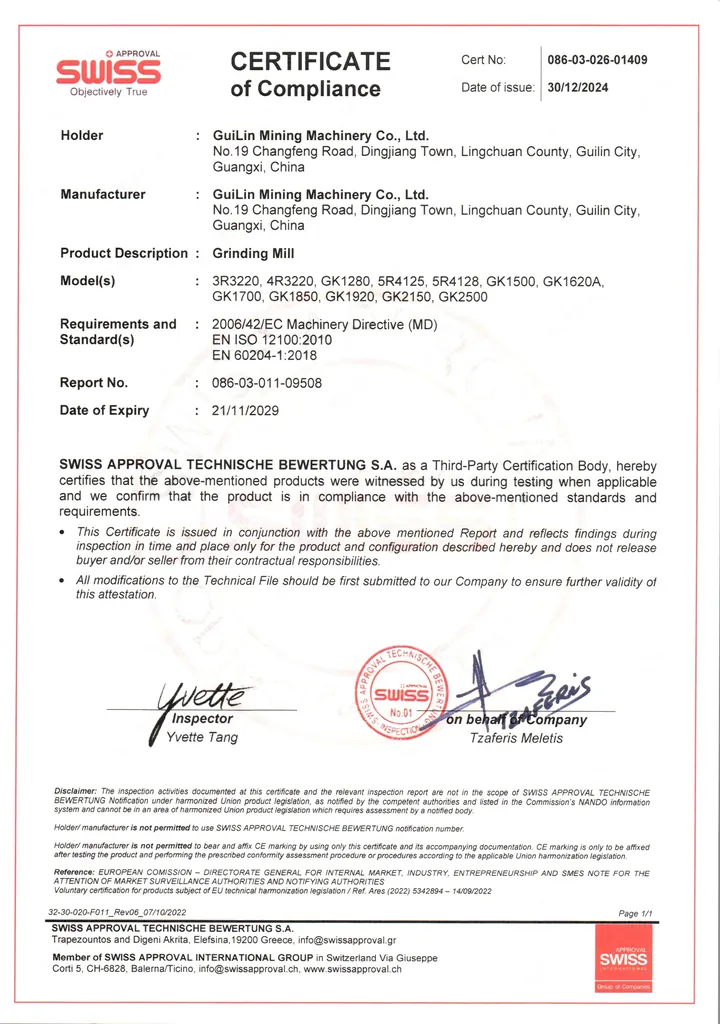
CE certificate for the Cronus coal grinding mill exported to European customers CE CertificateGrinding mill — European conformity
ISO 9001 quality management system certificate for coal grinding mill manufacturing ISO 9001Quality management system
ISO 14001 environmental management system certificate of the grinding mill factory ISO 14001Environmental management
ISO 45001 occupational health and safety management certificate ISO 45001Health & safety management
CQC product certification held by the grinding equipment manufacturer CQC CertificationProduct conformity
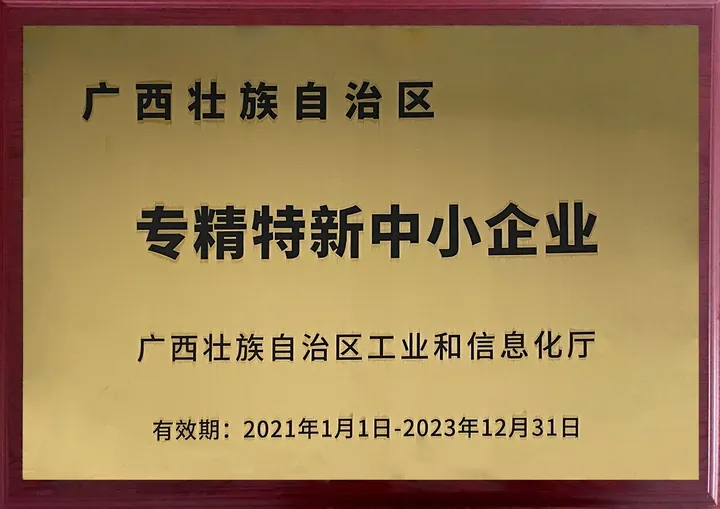
Specialized and Sophisticated SME certificate for grinding mill manufacturing Specialized SMEGuangxi “专精特新” enterprise
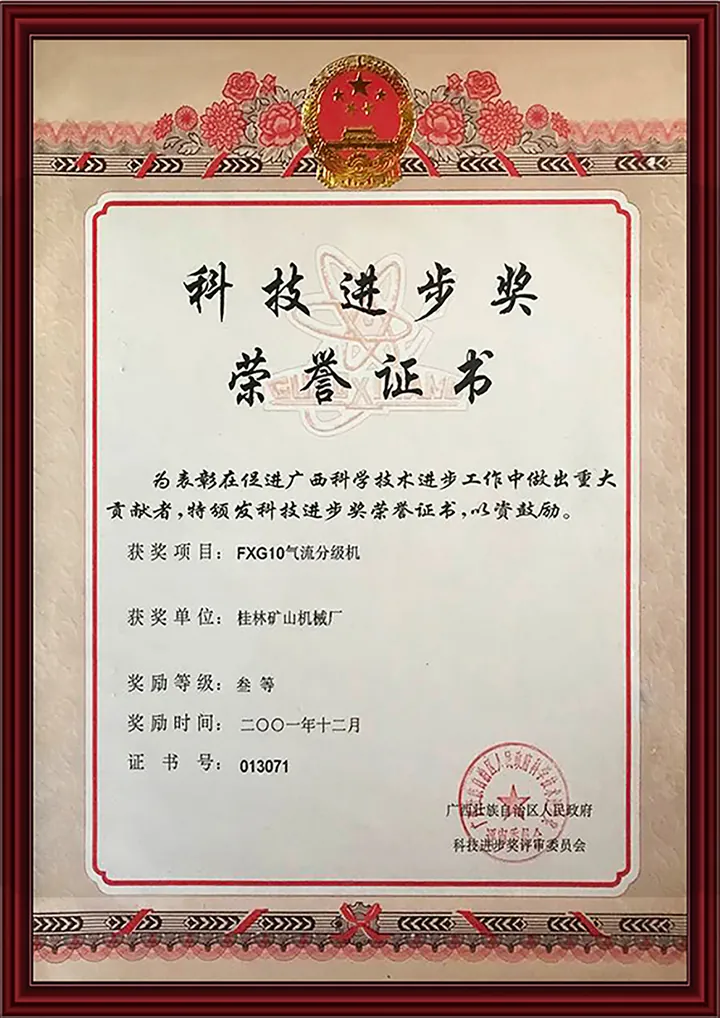
Guangxi Science and Technology Progress Award certificate for grinding technology Science & Technology AwardGuangxi progress award
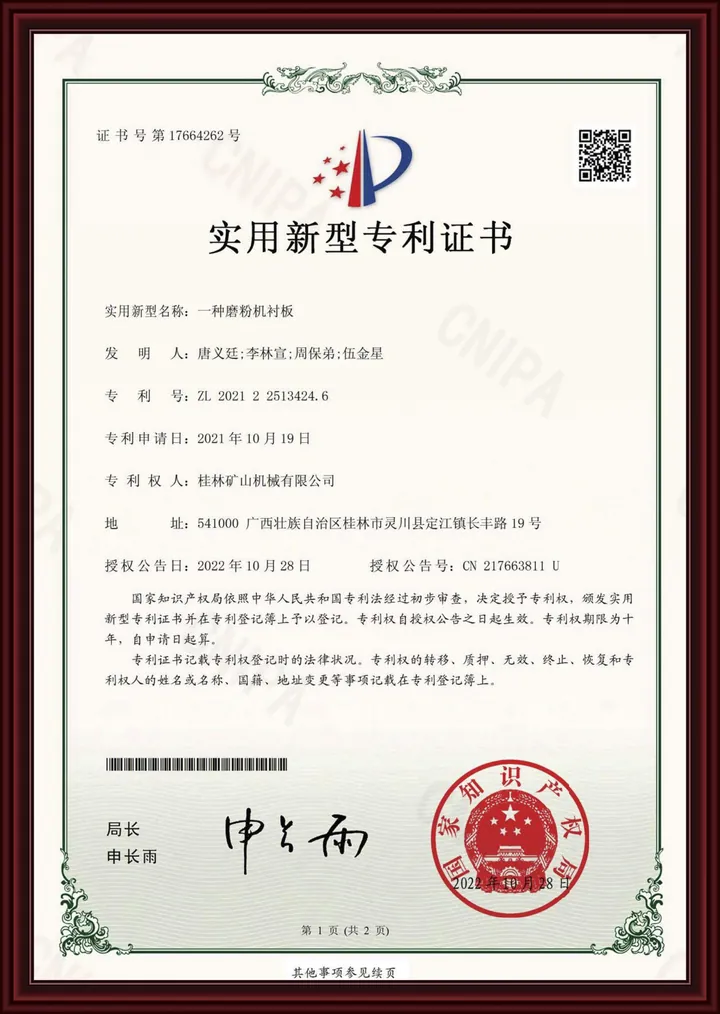
Patent certificate for a grinding mill liner wear part Patent — mill linerZL 2021 2 2513424.6
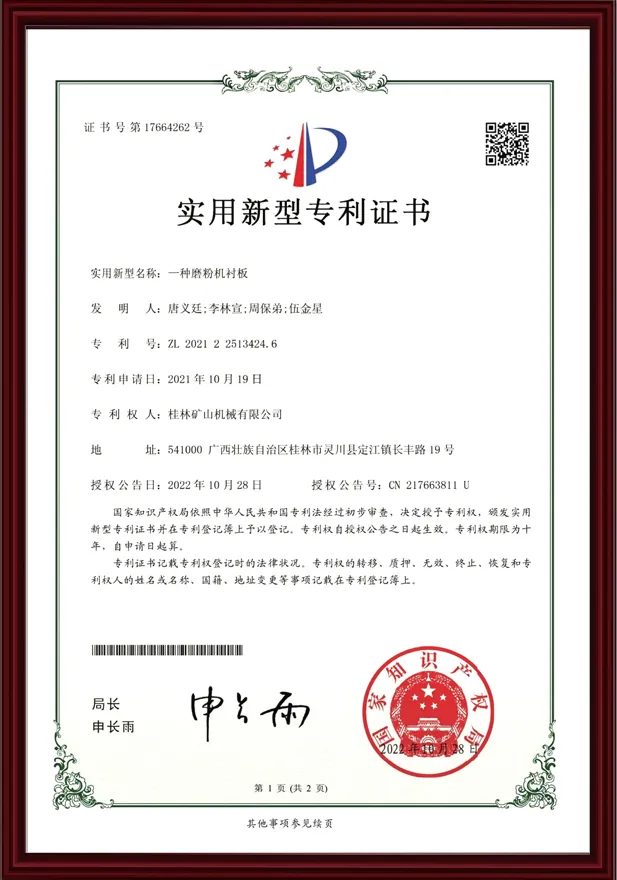
Utility model patent certificate held by Cronus for grinding equipment Utility Model PatentGrinding equipment
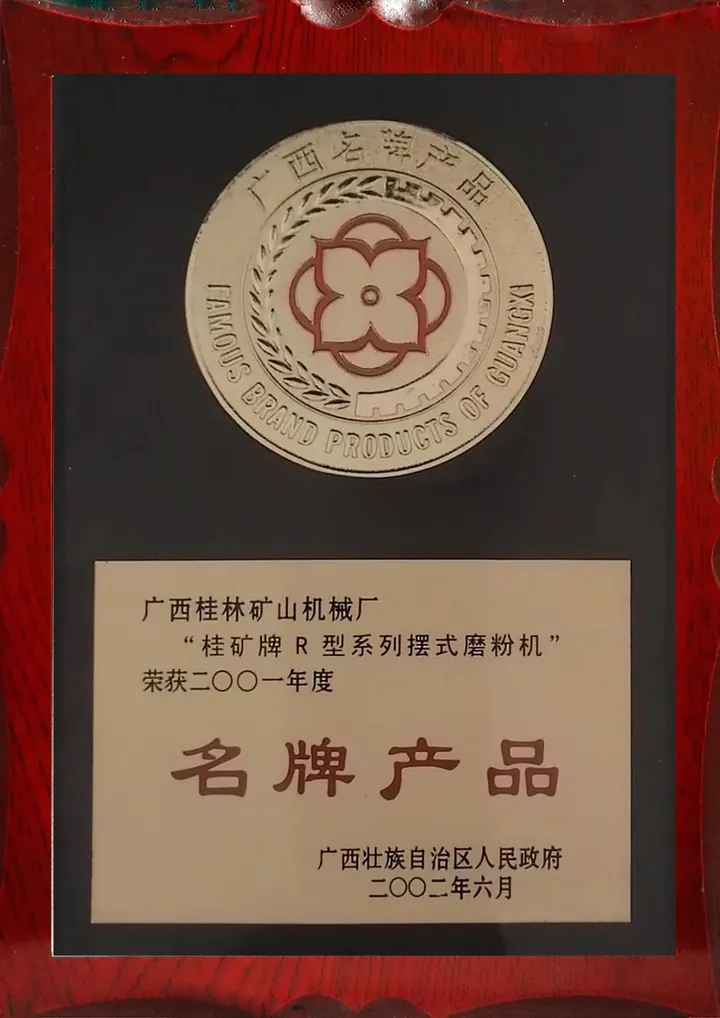
Guangxi Famous Brand Product certificate for the R-series grinding mill built by the coal grinding mill manufacturer Guangxi Famous BrandR-series grinding mill

Inside the factory

Aerial tour of the manufacturing base in Guilin — foundry, machining and assembly halls where every coal grinding mill is built.
Cronus coal grinding mill manufacturing base — aerial view with assembly halls Manufacturing base — aerial view
Cronus factory buildings and solar array at the Guilin industrial park Plant and solar array
Assembly workshop where coal grinding mill main units are built Assembly workshop
Production hall with large machining equipment for grinding mill components Production hall
Machining workshop with CNC equipment producing coal grinding mill wear parts Machining workshop
Casting workshop where grinding rollers and rings for the coal grinding mill are cast Casting workshop
Cronus works and logistics area for coal grinding mill dispatch Works and logistics
Works area with finished coal grinding mill equipment ready for dispatch Dispatch yard
Production buildings at the Guilin manufacturing base for coal grinding mills Production buildings
Heavy fabrication hall producing mill housings and ducting for coal grinding mills Heavy fabrication hall
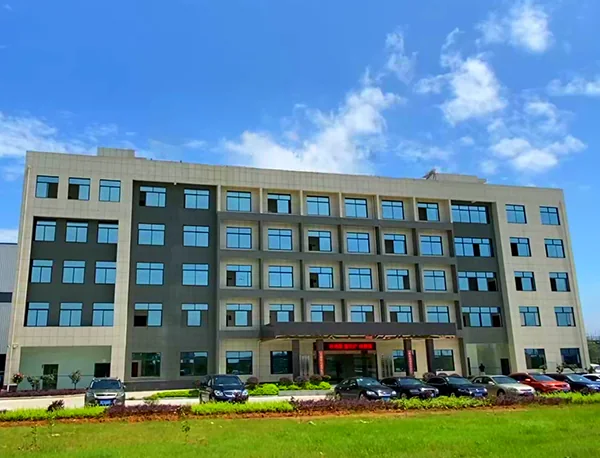
Guilin Mining Machinery head office building, parent company of the coal grinding mill manufacturer Head office, Guilin

The people behind the machines

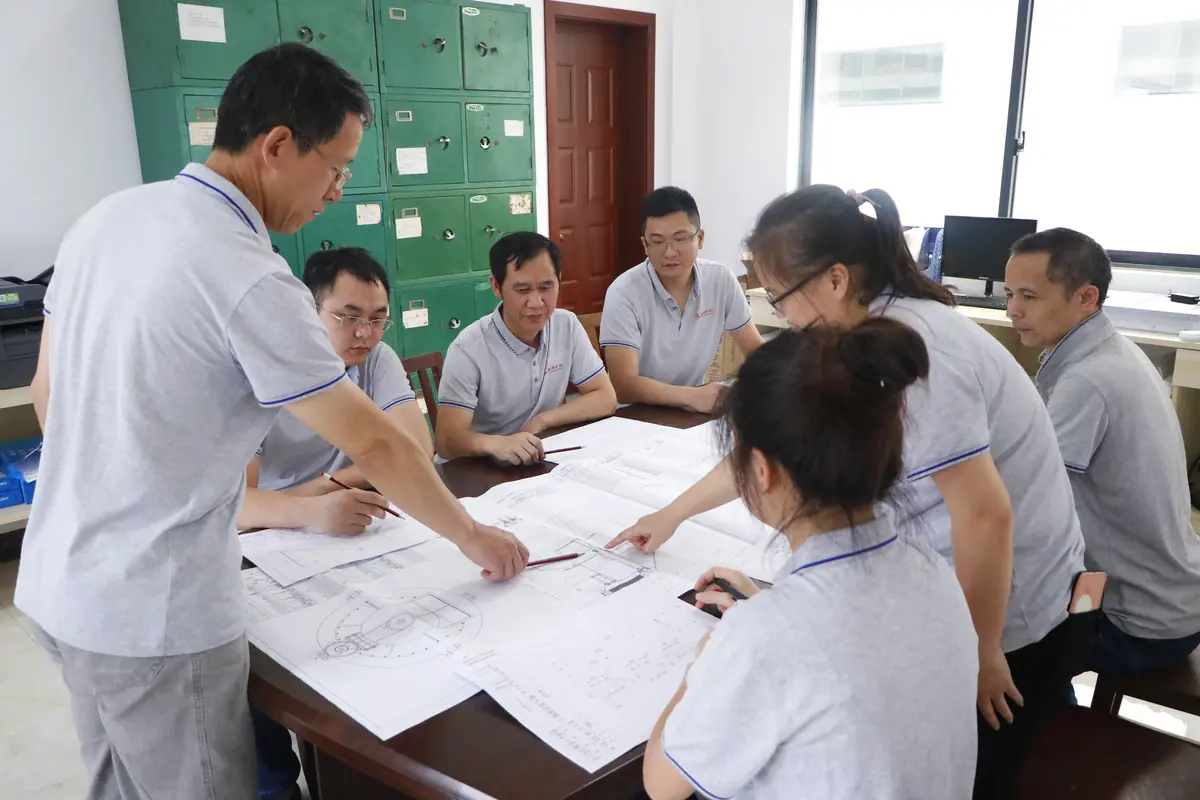
Cronus engineering team reviewing grinding mill drawings and process calculations
Engineering review — process design and drawings
Cronus service team preparing for coal grinding mill installation and commissioning
Service team — installation and commissioning
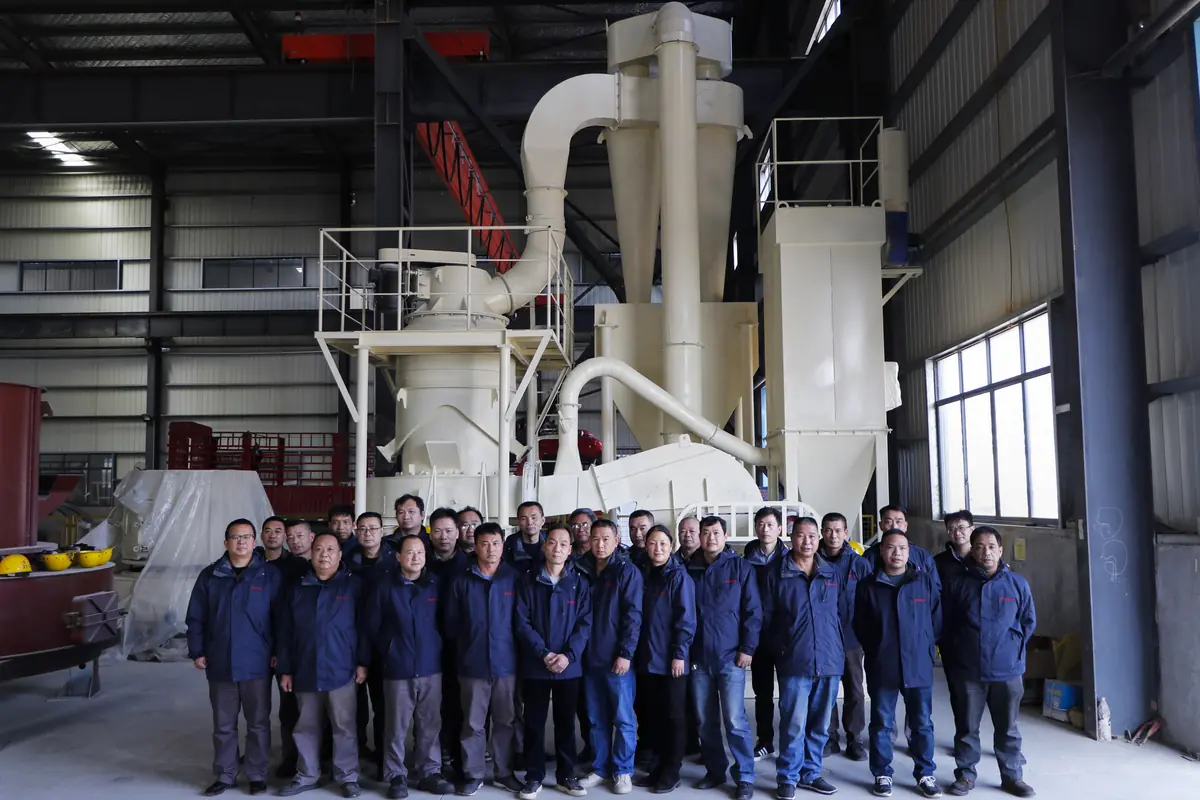
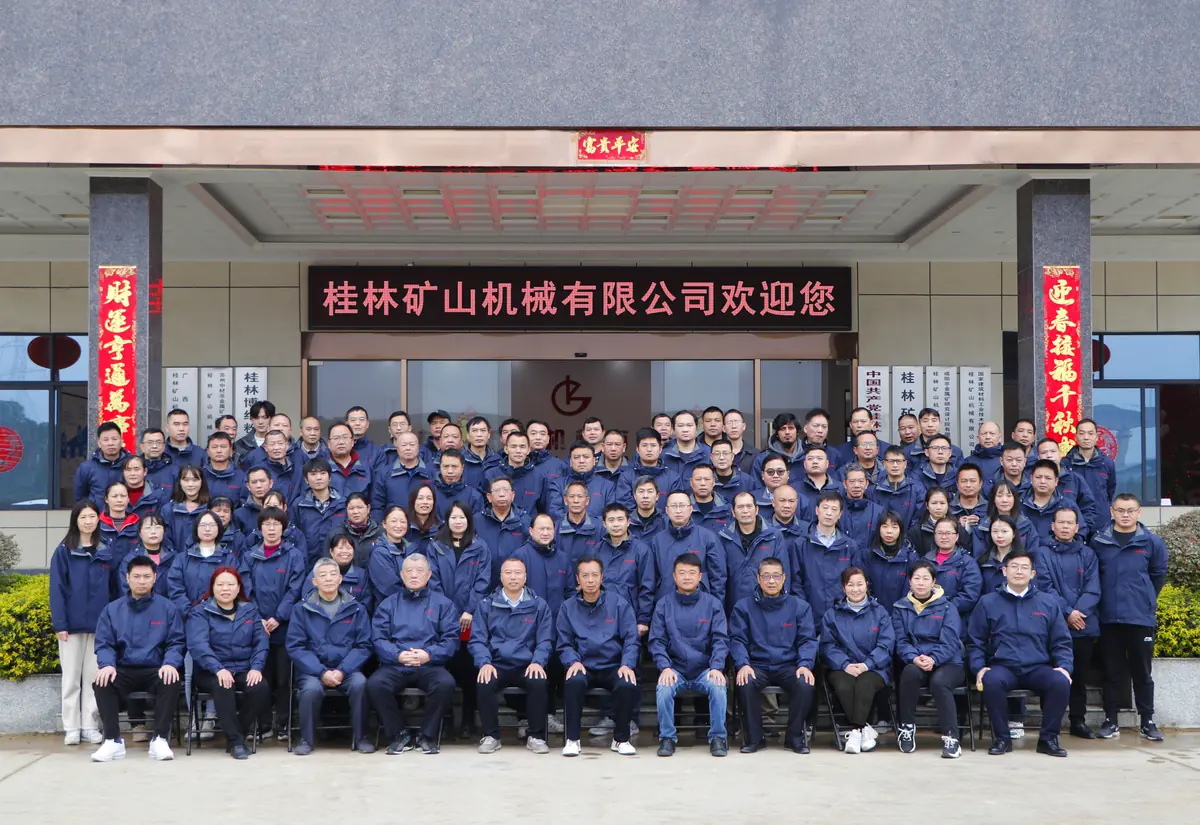
Guilin Mining Machinery team at the annual gathering
Team, Guilin Mining Machinery

Cronus maintains long-standing research relationships with several Chinese universities, which supports custom research and development and custom production for non-standard coal grinding duties.

Service & support

From sample testing to operator training — what buying a Cronus coal grinding mill actually includes

A pulverized coal circuit built around a coal grinding mill is a system, and systems fail at the interfaces. Our service model is built around staying with you across those interfaces — before the order, during commissioning, and for every year the mill runs afterwards.

Pre-sale

Carefully planned and customised

  • Free test grinding of your coal sample — fineness, capacity and power confirmed before you commit
  • Process design: direct firing or bin system, drying heat source, safety concept
  • Equipment selection against your HGI, moisture, ash and volatile matter
  • Plant layout and foundation drawings; dynamic load data for civil design
  • Estimated specific energy and operating cost per tonne of pulverized coal
On order

Professional design, quality, on-time delivery

  • Manufacture in our own foundry and machining workshops under ISO 9001
  • Incoming material and casting inspection, dimensional check on every wear part
  • Assembly and no-load running test before dispatch
  • Factory acceptance test with your inspector on site, if you wish to attend
  • Export packing, shipping documents and installation schedule coordination
After-sales

With you for the life of the mill

  • On-site installation and commissioning guidance by Cronus engineers
  • Classifier and airflow fine-tuning to reach guaranteed fineness and capacity
  • Operator and maintenance training: operation, inspection, lubrication, troubleshooting
  • 24/7 technical support by WhatsApp, e-mail and remote diagnosis — normally answered within 2 hours
  • Spare parts from stock, 7–15 day dispatch; 12-month warranty on manufacturing defects

Service process

01

Customer requirement confirmation

Material, fineness, capacity, site conditions, fuel analysis and safety requirements.

02

Test grinding and proposal

Sample grinding in our laboratory, then a technical proposal with model, capacity and energy estimate.

03

On-site survey and layout

Site measurement, layout drawing, foundation drawing and utility requirements.

04

Manufacture and factory test

Production, inspection and running test, with progress reports throughout.

05

Installation and commissioning

Engineer-guided erection, commissioning, calibration and performance verification.

06

Training and after-sales maintenance

Operator training, maintenance schedule handover and a continuing technical service relationship.

Service principles

  • One does — be customer-centred and train your people on the equipment you bought.
  • Two eliminate — put an end to customer complaints; put an end to misrepresentation.
  • Three musts — work to technical specification; visit customers regularly; provide 7×24 after-sales consultation.
  • Four guarantees — timely response, assured quality, full-process service, and the equipment kept running normally.

Recommended maintenance schedule

Coal grinding mill preventive maintenance intervals
IntervalTask
DailyCheck feed rate, mill outlet temperature (< 85 °C), differential pressure, unusual noise or vibration, and dust leakage.
WeeklyGrease roller bearing housings and shaft seals; inspect classifier blades; verify CO detector function.
MonthlyMeasure roller and ring wear; check bolts and fasteners; test the pulse-jet cleaning cycle and compressed-air pressure.
QuarterlyInspect blower impeller and balance; check bag filter condition and differential pressure; review reducer oil analysis.
AnnuallyMajor overhaul: replace worn rollers and ring as a set, renew seals, calibrate the classifier, verify the foundation and alignment.

Come and see a machine running

The most useful thing you can do before committing to a coal grinding mill is to stand next to one. Customers from Asia, Africa, the Middle East, Europe and South America visit our Guilin plant and our reference sites every year — the workspace is open, the test mill runs on your sample, and nothing is hidden behind a curtain.

Visiting customers inspecting a running coal grinding mill circuit at a reference site
Customers at a running reference plant
Reference plant visit showing powder collection and dust control equipment
Reference plant walk-through
Multi-unit coal grinding mill plant used as a demonstration site for visiting customers
Multi-unit demonstration plant

We will arrange the visit, the interpreter and the reference-site appointments — tell us what you want to see and we will build the itinerary around it.

FAQ

Coal grinding mill questions we are asked most often

Fourteen answers covering fineness, mill selection, capacity, safety, wear parts, testing and after-sales. If your question is not here, send it to us — the answer usually takes a day, not a week.

A coal grinding mill — also called a coal mill, coal pulverizer, coal grinding machine or coal powder making machine — reduces raw coal to fine pulverized coal, typically 74–180 µm, so it can be burned in suspension in a cement kiln, power boiler or blast furnace, or used as gasification feedstock and coal-water slurry. In practice you never buy the mill alone: it is the core of a coal grinding system that also includes a crusher, feeder, drying hot-gas source, classifier, cyclone, bag filter and pulverized-coal storage.

Most pulverized-coal duties settle at 180–200 mesh (80–74 µm). Blast-furnace pulverized coal injection is usually specified as 70–80% passing 200 mesh; precalciner cement kilns at 80–85% passing 200 mesh. Coarse fuels for fluidised-bed boilers and chain-grate stokers may only need 40–150 mesh. High-efficiency PCI, supercritical boilers, gasification and coal-water slurry benefit from 250–1250 mesh (58–10 µm).

The engineering rule behind sizing a coal grinding mill is this: the particle has to finish burning inside the residence time your furnace provides, with enough surface area to ignite quickly — and no more, because grinding finer always costs more energy per tonne.

Yes — on the CRGM series, fineness is set by the variable-frequency speed of the turbine classifier, not by changing screens or rollers. One machine covers 150–3000 mesh (74–5 µm) continuously, so the same unit can supply 200 mesh kiln fuel this month and 1250 mesh powder for coal-water slurry or filler application next month. The trade-off is capacity: output at 1250 mesh is roughly one quarter of the 200 mesh figure.

For 200 mesh duties up to about 10 t/h on a tight budget, a Raymond mill is a perfectly rational choice and we will say so. The CRGM wins when any of the following is true:

  • You need finer than 400 mesh — the Raymond mill runs out of range
  • You need tight D97 repeatability rather than just “mostly 200 mesh”
  • You want to change product fineness without downtime
  • You want lower wear cost per tonne — typically over 50% lower than a conventional Raymond mill
  • You are retrofitting into a space a pendulum mill cannot use efficiently

A ball mill is the most tolerant machine for coal, and the one coal grinding mill type that copes with HGI below 45, ash above 30% and moisture above 15%. If that is your coal, a ball mill may genuinely be the right answer. For everything else the arithmetic is unfavourable: 25–40 kWh per tonne at 200 mesh against 16–22 kWh per tonne for a ring-roller coal grinding mill, a much larger footprint, and poor efficiency below 200 mesh when you want to go finer. Ball mills are also slow to respond to load changes because of their large internal material holdup.

Drying happens inside the grinding circuit. Hot gas at 200–320 °C is drawn through the mill, evaporating surface moisture while the coal is being ground, so a separate dryer is usually unnecessary. On the CRGM the design limit is about 6% feed moisture; above that, coal becomes sticky enough to coat the grinding chamber and blind the classifier. Between roughly 6% and 12% we raise the gas temperature and insulate the ducting. Above 12–15% we recommend pre-drying or a different mill family. Lignite above 20% moisture needs a dedicated circuit.

By never letting the three conditions for an explosion — fuel, oxygen and an ignition source — line up at the same time:

  • The whole circuit runs under negative pressure with a closed air loop, so dust cannot escape and air cannot be drawn in
  • Explosion-proof motors and electrical components are used throughout
  • Online CO and O₂ monitoring watches the mill outlet and any pulverized-coal silo
  • An inerting interface (nitrogen or steam) purges the circuit on start-up and shutdown
  • Explosion vents are sized on the highest volatile content you may ever burn
  • Spark detection and metal removal protect the feed line, and the mill outlet temperature is automatically held below 85 °C

Volatile matter content, not ash or hardness, is the parameter that decides how much of this you need. High-volatile bituminous coal above 30% VM is far more demanding than anthracite below 10% VM.

At 200 mesh, capacity is 0.5–5.5 t/h for the CRGM80, 1.2–10 t/h for the CRGM100 and 2.5–20 t/h for the CRGM125. Maximum feed size is 20 mm on all three, so run-of-mine coal must be pre-crushed with a jaw and/or hammer crusher. Multiple units can be installed in parallel where higher tonnage is required — that is how our Vietnam project reaches 35,000 t/year with three independent lines while keeping maintenance flexibility.

Specific energy is typically 16–22 kWh per tonne at 200 mesh, 28–40 kWh per tonne at 325–400 mesh and 55–80 kWh per tonne at 1250 mesh on the CRGM series. That is 30–50% below a ball mill at the same fineness. Specific energy rises steeply as you chase finer powder — which is exactly why the correct fineness decision, made once, is worth more than any efficiency upgrade made later.

The main wear parts are the grinding roller (sleeve), the grinding ring (liner), the classifier blades, the shovel or rake blade, the rotary discharge valve and the filter bags. On coal duty, rollers and ring typically run 2–5 years depending on ash content and target fineness; classifier blades 1–3 years; filter bags 1–3 years. Because Cronus casts these parts in its own foundry, the alloy and heat treatment are controlled directly and replacement cost per tonne is well below imported OEM equivalents.

Yes, and we would rather do that than quote blind. Send 20–50 kg of coal and we will run a test grind on a laboratory coal grinding mill to establish the achievable D97 cut point, the capacity at your target fineness and the power consumption with your actual HGI and moisture. The test report becomes the basis of the capacity figure written into the contract, so nobody is guessing — least of all you.

Yes. Besides bituminous and sub-bituminous coal, the CRGM series handles lignite, anthracite, coal gangue, clean coal, petroleum coke (shot coke and sponge coke), graphite and fly ash. Harder and more abrasive materials simply reduce capacity and shorten wear-part life — our engineering team adjusts roller pressure, wear-part alloy and classifier settings accordingly. Our Heilongjiang petroleum coke plant, running 200 mesh (D90) at 10–12 t/h, has been in service since 2014.

A single coal grinding mill line is normally erected and commissioned within 25–40 days once civil works are ready. Cronus engineers travel to site for installation and commissioning guidance, fine-tune the classifier speed and circuit airflow until the guaranteed fineness and capacity are reached, and train your operating and maintenance team on operation, inspection, lubrication and troubleshooting. Training is documented and handed over in writing.

Every coal grinding mill carries a 12-month warranty against manufacturing defects, with wear parts supplied at cost. Technical support runs 7×24 by WhatsApp, e-mail and remote diagnosis with a normal response time under two hours. Standard spare parts are held in stock and dispatched within 7–15 days, and each mill ships with a recommended one-year spares package so the first maintenance cycle never waits on a purchase order.

Contact

Tell us what you need to grind — we will size the coal grinding mill

Give us the material, the fineness and the tonnage, and you will get a model recommendation, a capacity estimate and a budget price. If a CRGM is not the right machine for your duty, we will tell you that too.

Please enter your name
Please enter a valid e-mail address
Please enter a reachable phone or WhatsApp number
Please tell us a little about your project (material, capacity, fineness) Attach a coal analysis or existing layout drawing by e-mail to sales@shcronus.com — we will quote from your own data.

Submitting opens WhatsApp with your enquiry pre-filled so you get an answer the same working day. Prefer e-mail? Write to sales@shcronus.com. We do not share your details with anyone else.

Shanghai Cronus Machinery Co., Ltd.

  • Address Room 801, Building 2, Shanghai Zhicheng, No. 8666 Hunan Highway, Pudong New Area, Shanghai, China
  • Manufacturing baseGuilin High-speed Railway Economic Industrial Park, Guilin, Guangxi, China — visits and test grinding by appointment
Business hours: Monday–Saturday, 08:30–18:00 (GMT+8) Response time: normally within 2 hours on WhatsApp, within one working day by e-mail Languages: English · 中文 · technical drawings in English or Chinese

What happens after you send the form

  • Within 2 hours — an engineer acknowledges your enquiry and asks anything missing
  • Within 1–2 working days — a model recommendation with capacity, fineness and installed power
  • Within 3–5 working days — budget quotation with supply scope, and a test-grind offer for your sample
  • Before you commit — free test grinding, reference-site contacts and a visit invitation
WhatsApp us — reply within 2 hours